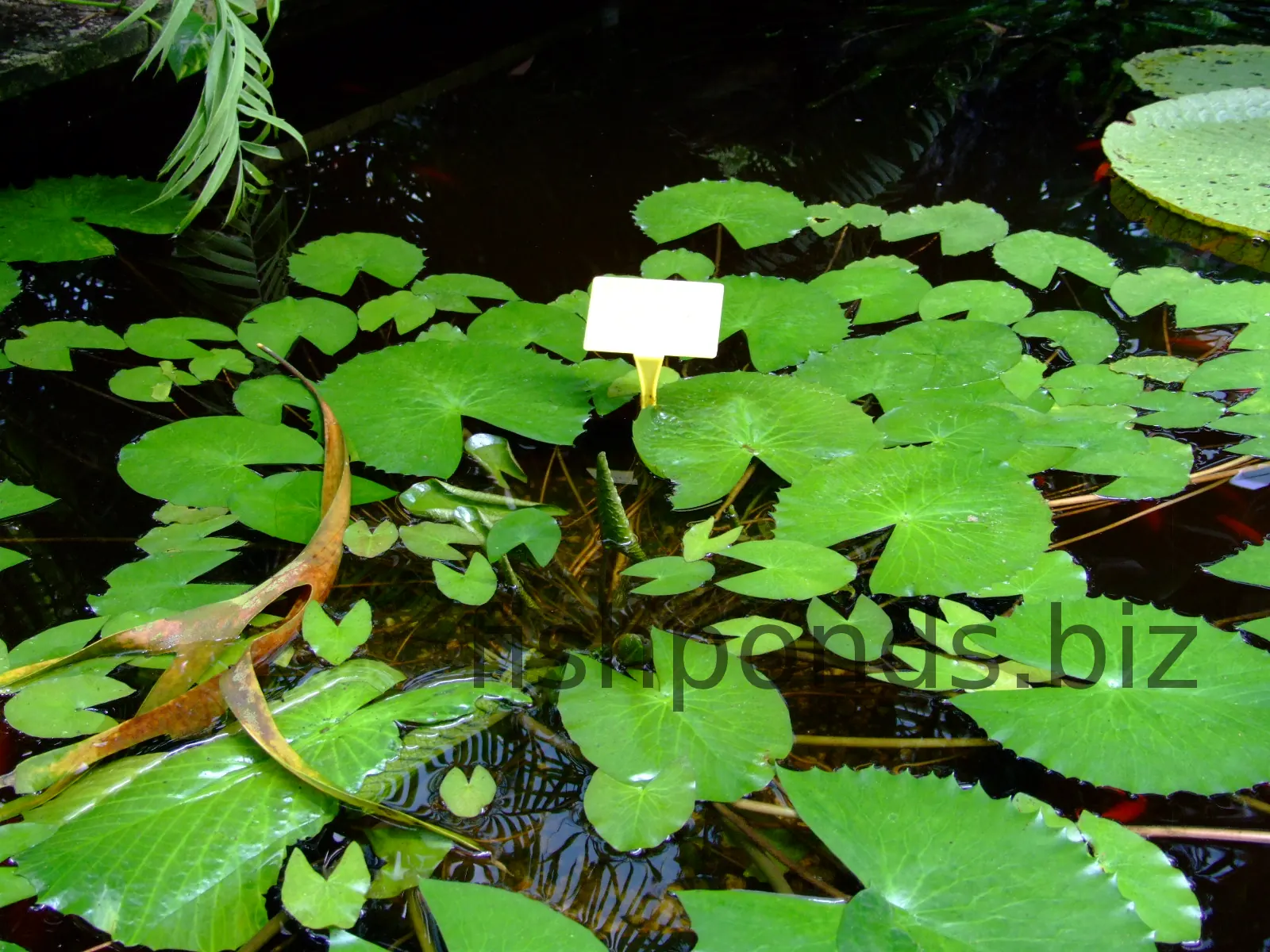
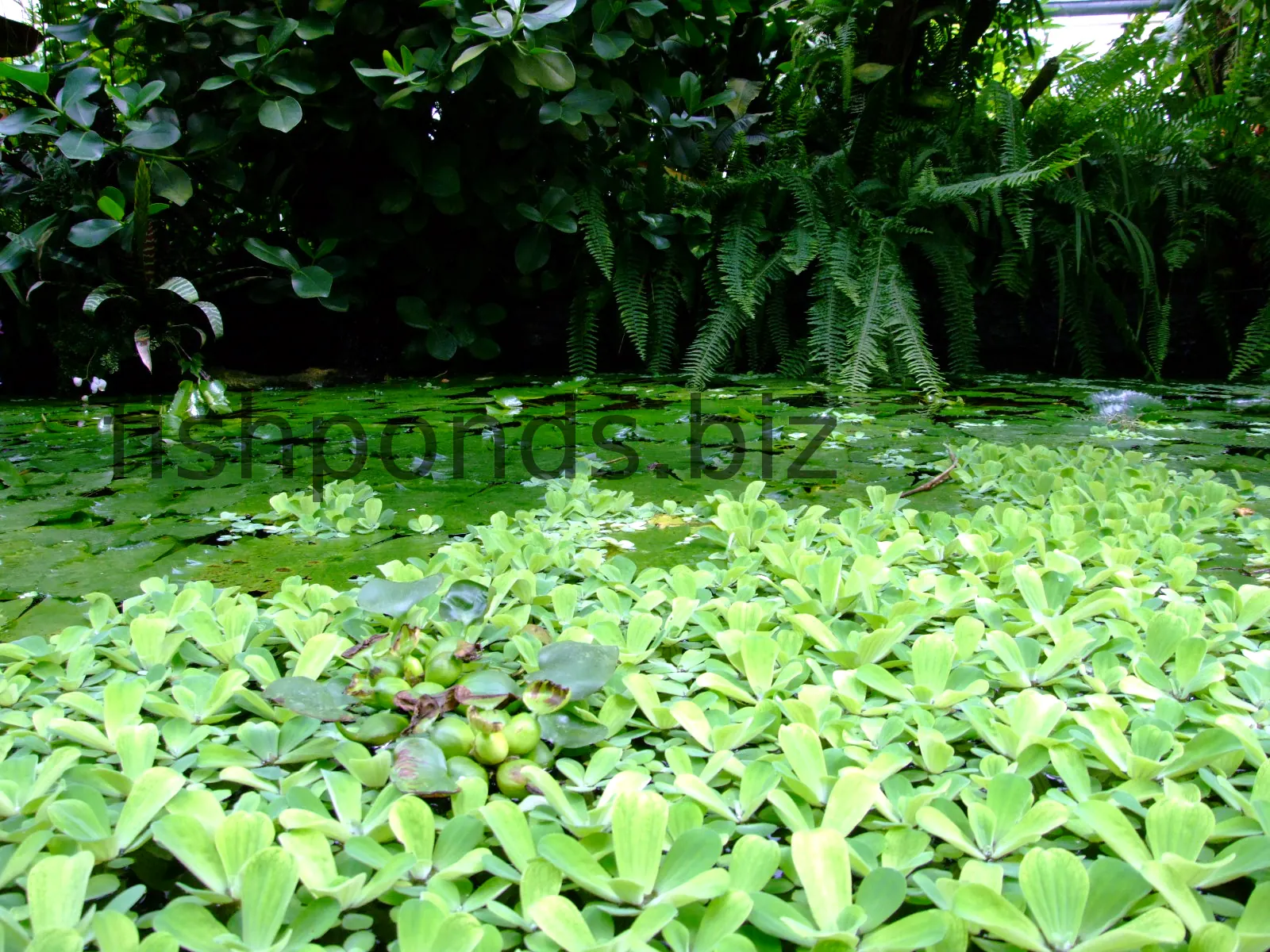
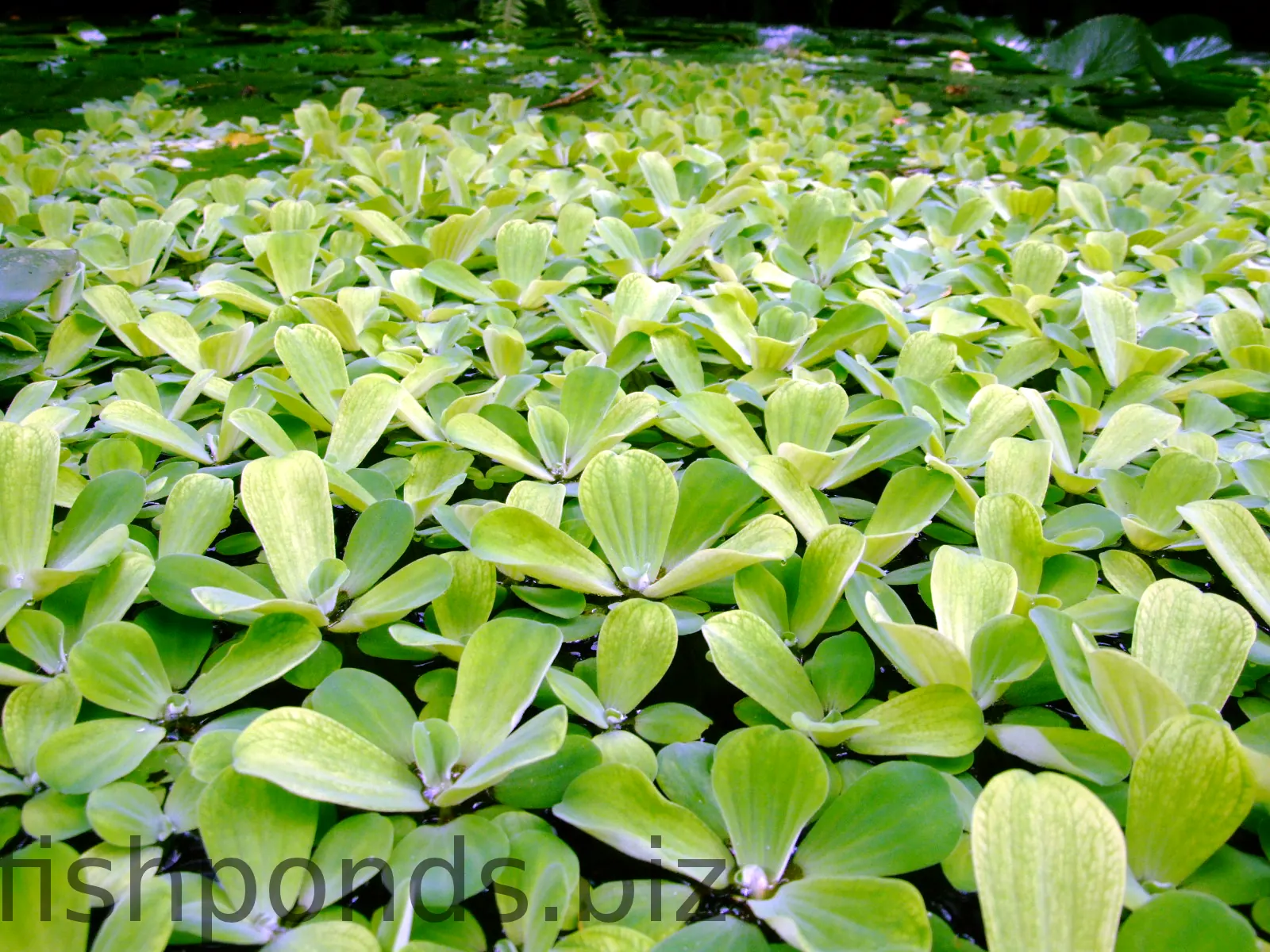
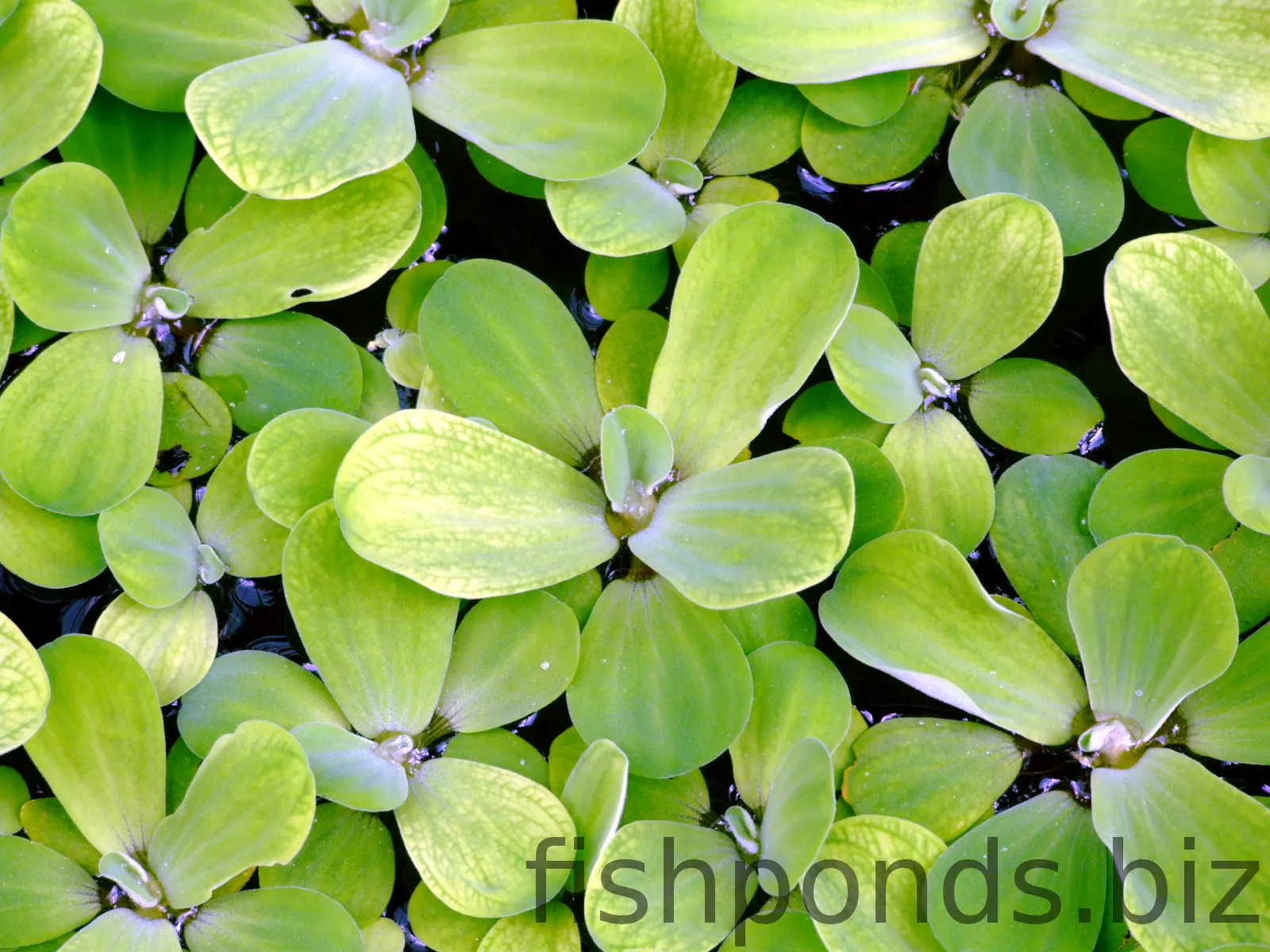
Pond plants do much more than make a fish pond look natural. Different plants can provide shade, shelter and spawning habitat, take up nutrients and create living space for insects and other small aquatic organisms.
The most useful planting scheme is rarely based on one "best" species. A balanced pond normally uses several types of plants, chosen for the depth and size of the pond, the climate, the amount of sunlight and the fish that live there.
A lightly stocked wildlife-style pond can support a very different planting scheme from a heavily stocked koi pond. The objective is therefore not to fill every available space with vegetation, but to choose plants that work with the pond rather than against it.
A useful fish pond planting scheme usually combines marginal plants, submerged plants and floating-leaved or free-floating plants. Each group occupies a different part of the pond and provides different benefits.
Choose plants according to their mature size and required planting depth, leave plenty of open water for fish and circulation, and check local regulations before buying aquatic plants because some species are invasive or restricted in particular countries.
What are the best plants for a fish pond?
There is no single best pond plant. A better question is which combination of plants suits the pond you have.
A practical planting scheme can include:
- marginal plants for the shallow edges;
- submerged plants growing mainly below the surface;
- rooted floating-leaved plants such as water lilies;
- free-floating plants where they are suitable and legal;
- bog plants in permanently moist ground immediately outside the pond.
The final choice depends on water depth, sunlight, winter temperatures, pond size and whether the fish are likely to disturb the plants.
Why add plants to a fish pond?
Aquatic plants can perform several useful roles at the same time.
- They provide shelter and visual cover for fish.
- Dense stems and roots create habitat for aquatic invertebrates.
- Some plants provide spawning surfaces or refuge for fry.
- Growing plants take up nutrients from their surroundings.
- Floating leaves can shade part of the pond.
- Marginal plants soften the boundary between the pond and the garden.
- Plants make a constructed pond look and function more like an aquatic habitat.
Plants should nevertheless be regarded as one part of the pond system rather than as a substitute for good water quality, adequate filtration or aeration.
The main types of pond plants
Marginal plants
Rooted around the edge of the pond, usually in shallow water. They add height, flowers and cover while helping the pond blend into the surrounding garden.
Submerged plants
Most of their growth remains underwater. They provide habitat, take up nutrients and produce oxygen while photosynthesising in sufficient light.
Floating-leaved plants
These are rooted plants whose leaves reach the surface. Water lilies are the classic example and provide shade and cover.
Floating plants
These float without being rooted into pond soil. Their roots hang into the water and some species multiply very rapidly.
Marginal pond plants
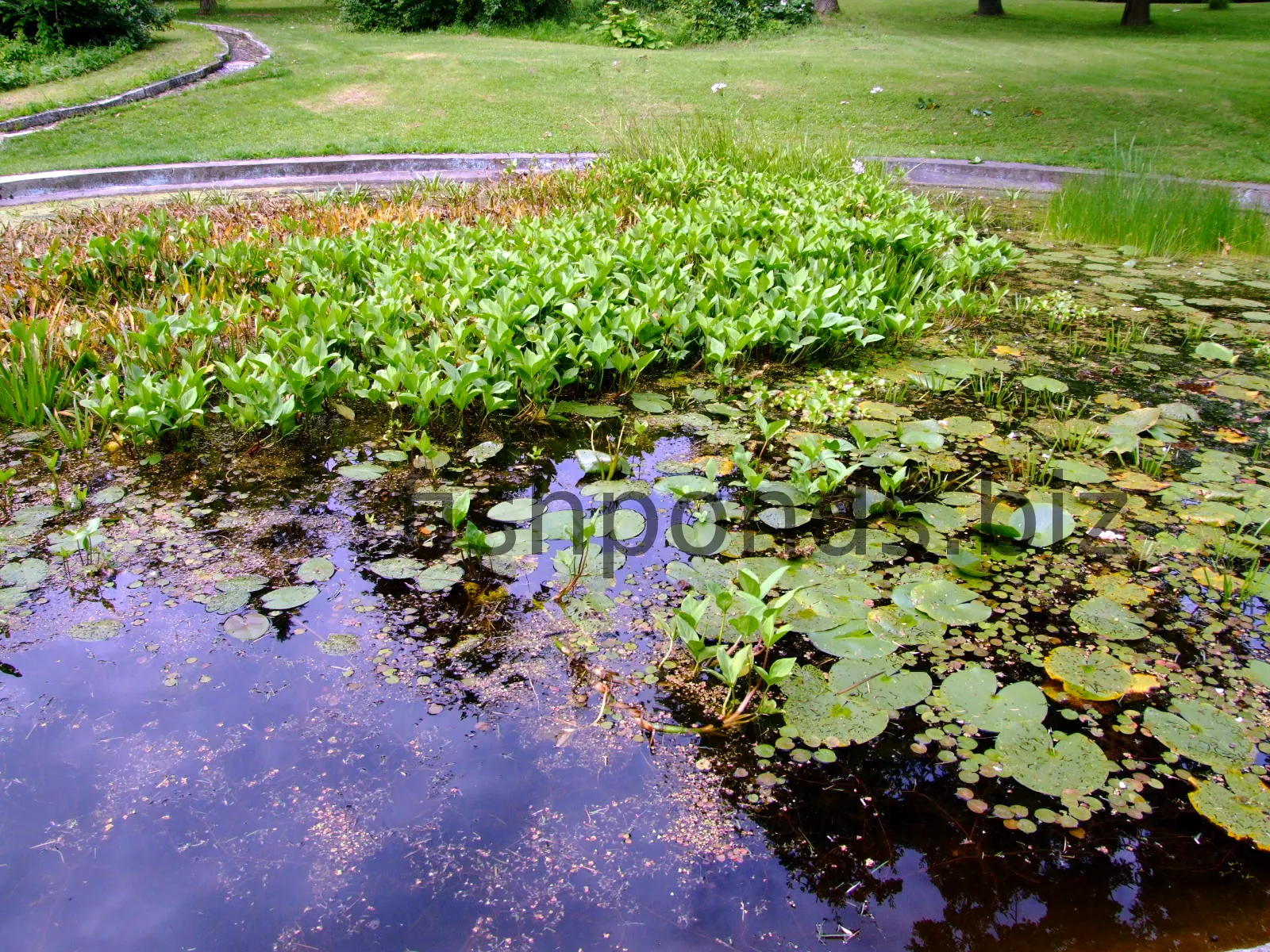
Marginal plants grow at the transition between land and water. Depending on the species, their roots may remain permanently wet or submerged beneath a relatively shallow layer of water while most of the foliage grows above the surface.
This makes them particularly useful on built-in pond shelves.
Examples of plants commonly used in suitable climates include:
- Caltha palustris — marsh marigold;
- Mentha aquatica — water mint;
- Iris pseudacorus — yellow flag iris;
- Myosotis scorpioides — water forget-me-not;
- other locally suitable marginal irises, sedges and rushes.
These examples should not be treated as a universal shopping list. Check the mature size, preferred depth, hardiness and local status of every species before planting it.
A vigorous marginal that is ideal beside a large pond may overwhelm a small preformed pond within a few seasons.
Bog plants are not quite the same as marginal plants
Bog plants enjoy consistently moist or waterlogged soil, but many do not want their crowns permanently submerged beneath pond water.
They are therefore particularly useful immediately outside the liner in a bog garden or wet planting zone rather than on a submerged pond shelf.
This distinction is useful when planning the pond because a plant described as liking "moist soil" is not automatically suitable for planting underwater.
A bog area can also create a much softer transition from open water to the rest of the garden.
Submerged pond plants
Submerged plants spend most or all of their active growth below the water surface. They are often sold under the traditional name oxygenating plants.
That name is useful but can also be misleading. Submerged plants produce oxygen while they are photosynthesising in daylight, but they also respire and consume oxygen. At night there is no photosynthesis, so a heavily planted pond can experience its lowest dissolved oxygen level shortly before dawn.
For this reason, submerged plants should not be relied upon as the sole source of oxygen in a heavily stocked fish pond.
Their other benefits are equally important. They provide cover for small animals and fry, create additional biological surfaces and take up nutrients while actively growing.
Examples that may be suitable depending on location include:
- Ceratophyllum demersum — hornwort;
- Hottonia palustris — water violet;
- Ranunculus aquatilis — water crowfoot;
- Potamogeton crispus — curled pondweed.
Do not use old pond books or websites as the sole basis for choosing submerged plants. Some species that were widely sold as "oxygenators" in the past are now recognised as invasive and are restricted in some countries.
Do pond plants add oxygen to the water?
Yes, aquatic plants and algae produce oxygen during photosynthesis when enough light is available.
But oxygen in a pond follows a daily cycle. Plants, fish, microorganisms and other organisms continue to respire, and oxygen can fall during the night. Dense plant or algal growth can therefore coexist with low dissolved oxygen, particularly during hot weather or after a large amount of vegetation dies.
Mechanical aeration provides a much more controllable source of gas exchange in a heavily stocked fish pond.
Plants are valuable components of the ecosystem, but "add more oxygenating plants" should not be treated as the universal solution to an oxygen problem.
Floating-leaved pond plants
Floating-leaved plants are rooted in a basket or pond substrate while their leaves spread across the water surface.
They provide shade and cover and can help keep part of the pond cooler during summer. At the same time, excessive surface coverage can reduce light reaching submerged plants and interfere with open swimming space and gas exchange.
Water lilies are the best-known members of this group.
Water lilies for fish ponds
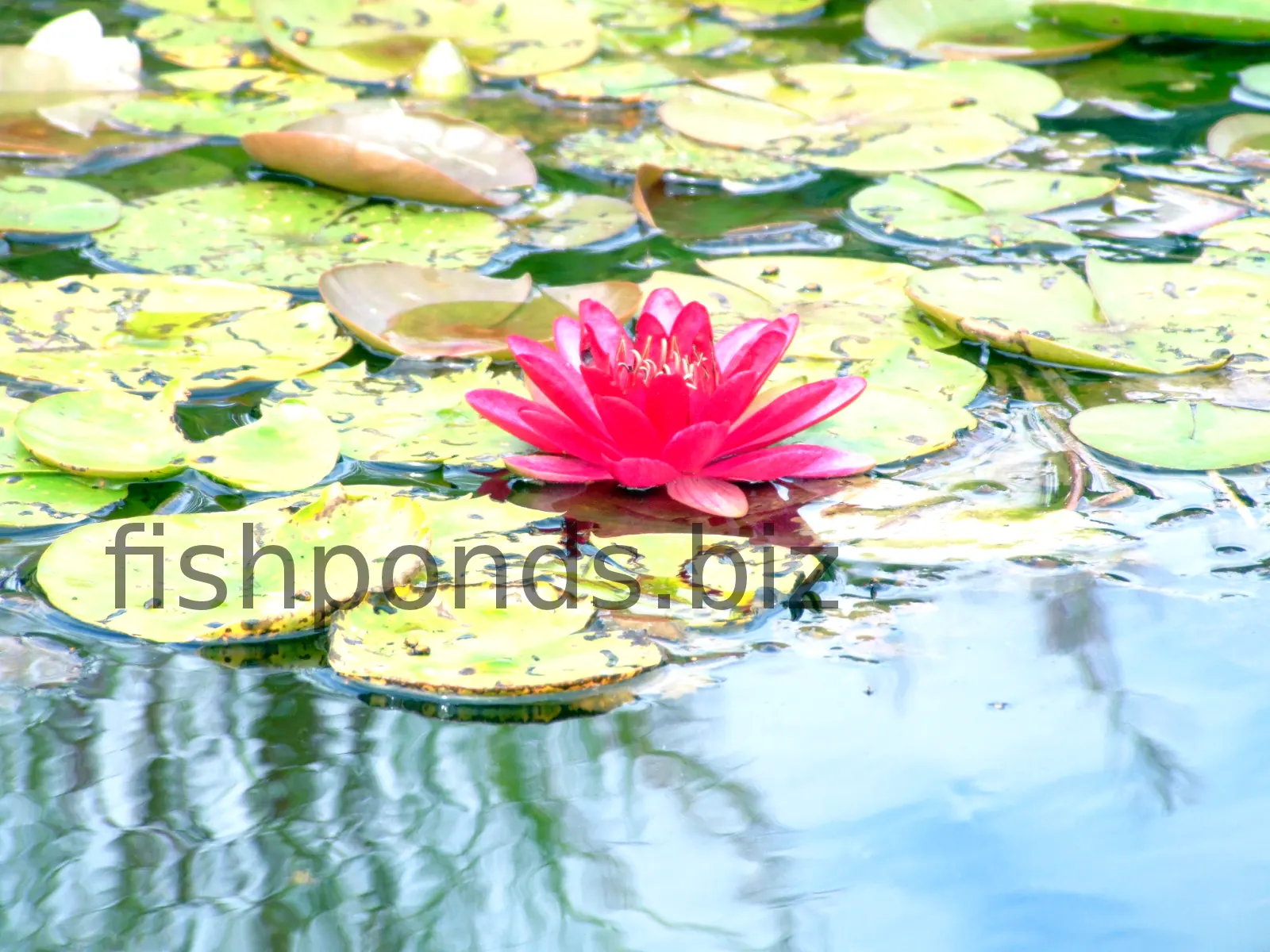
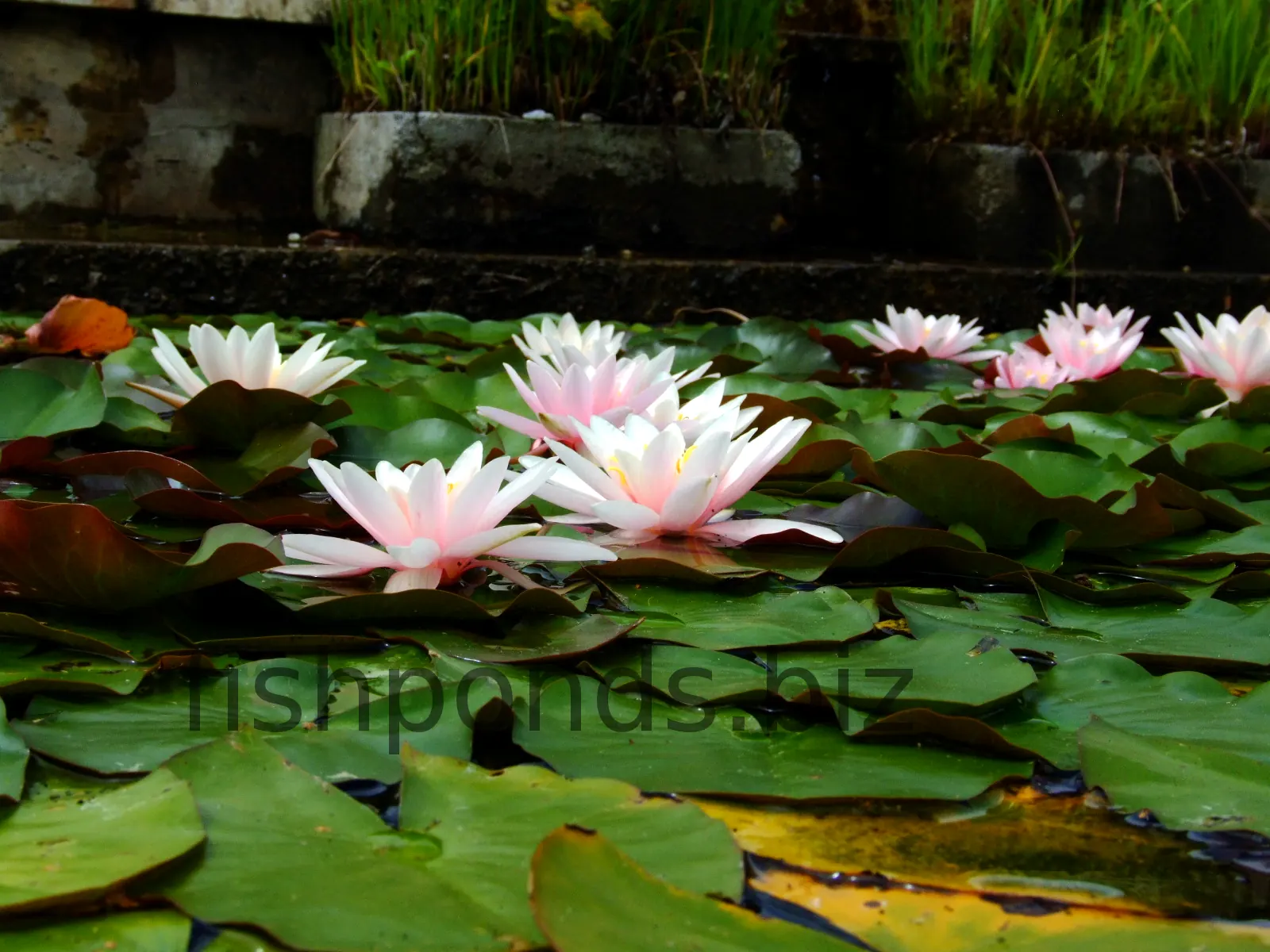
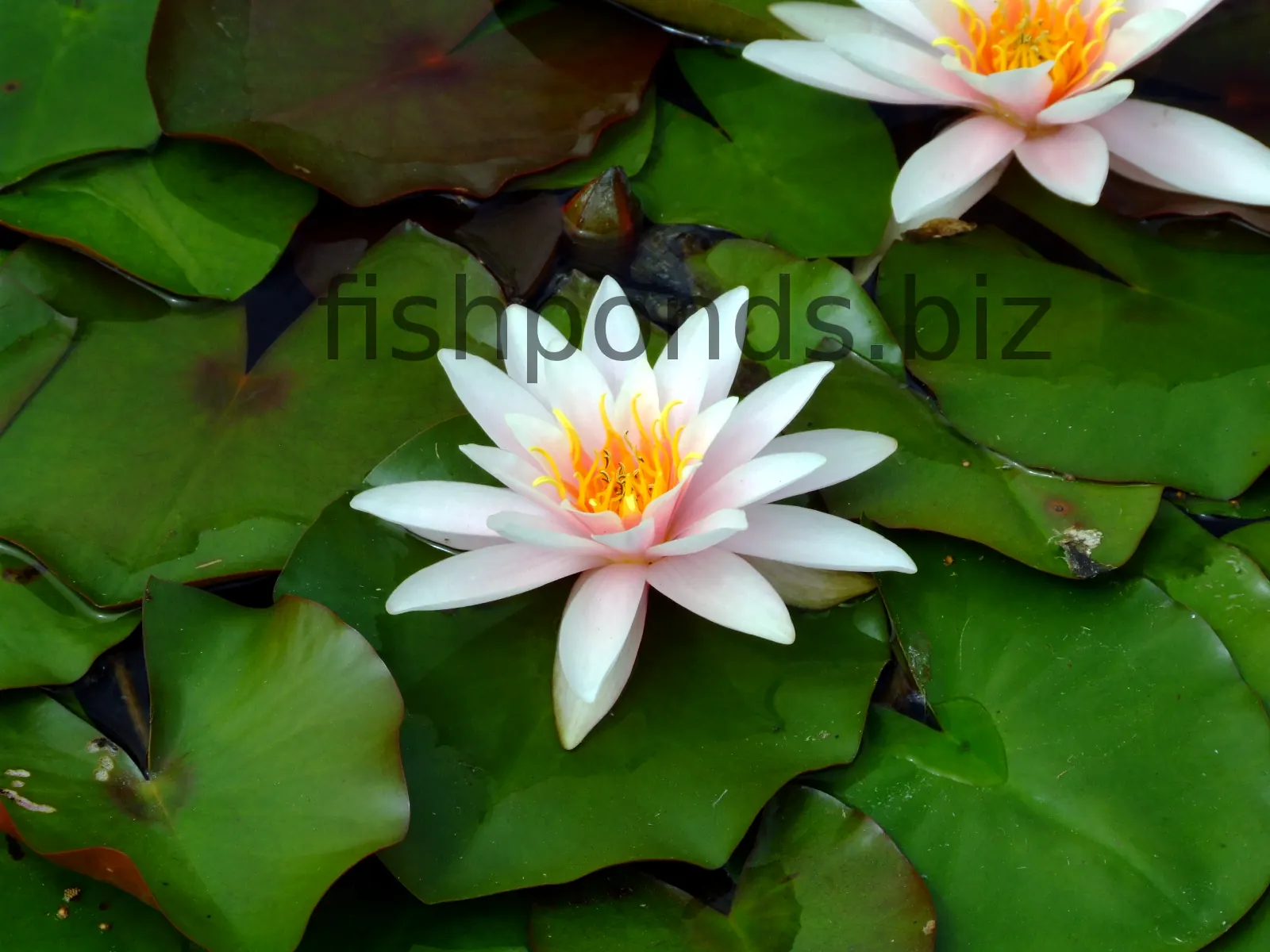
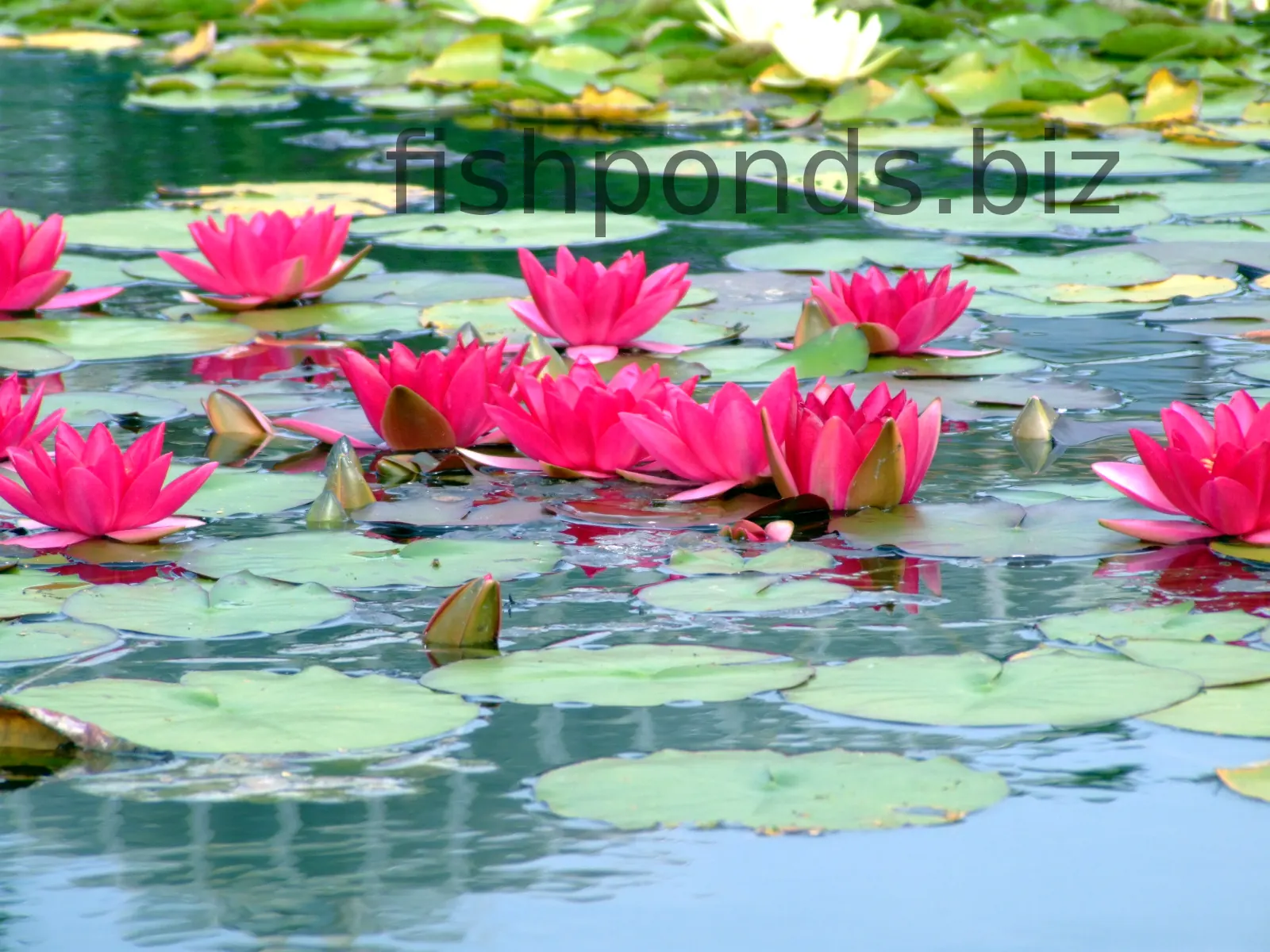
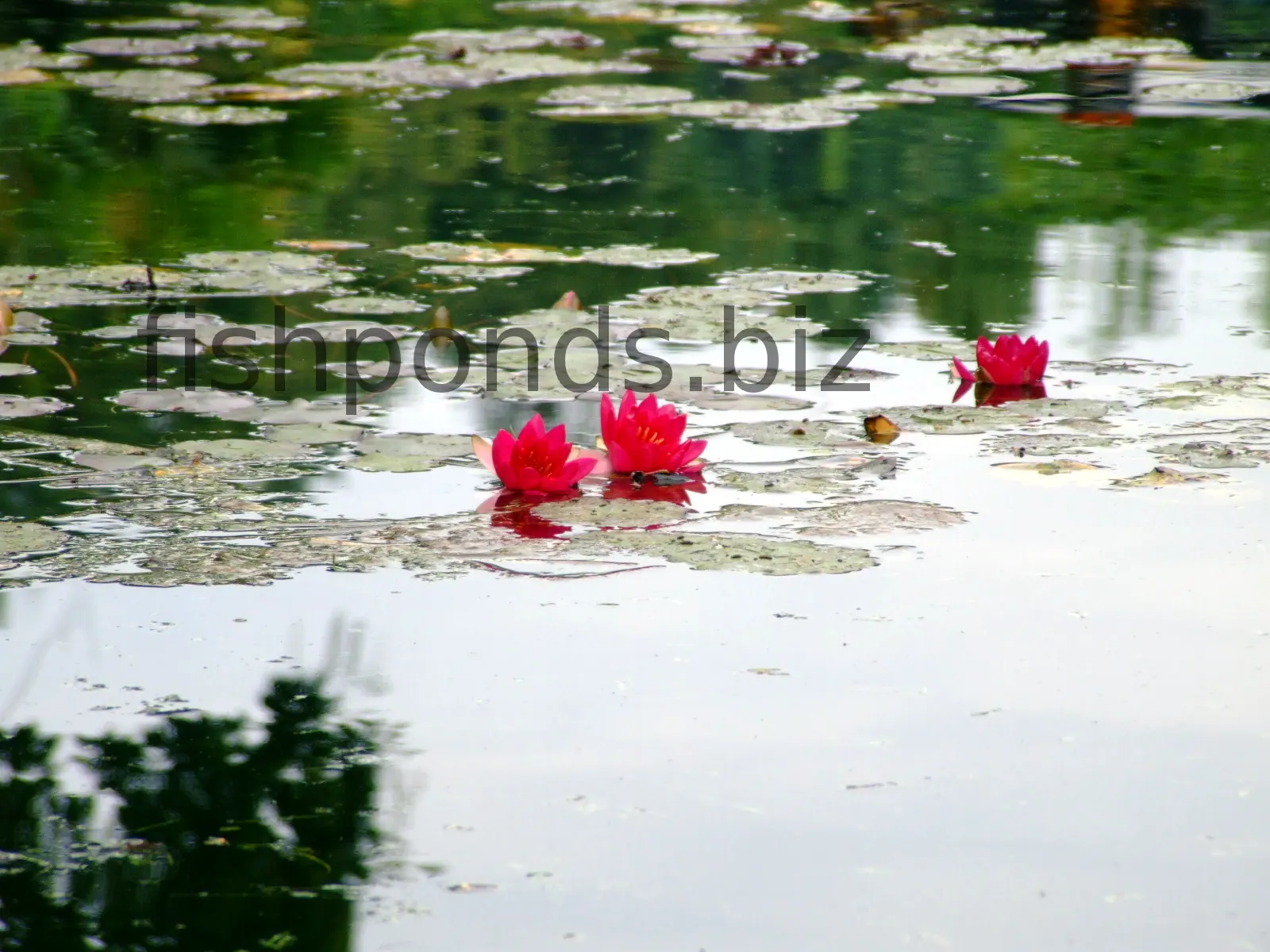
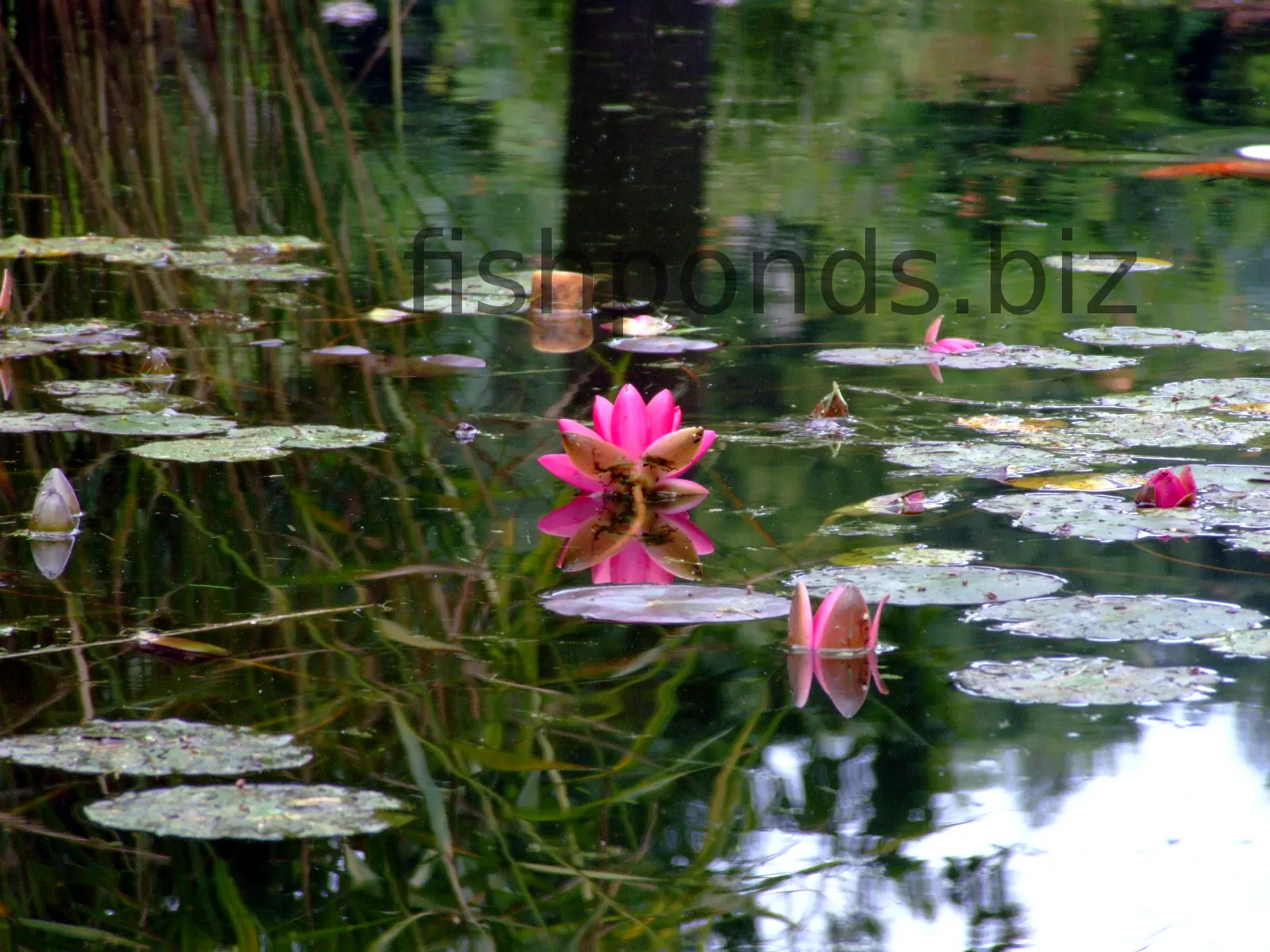
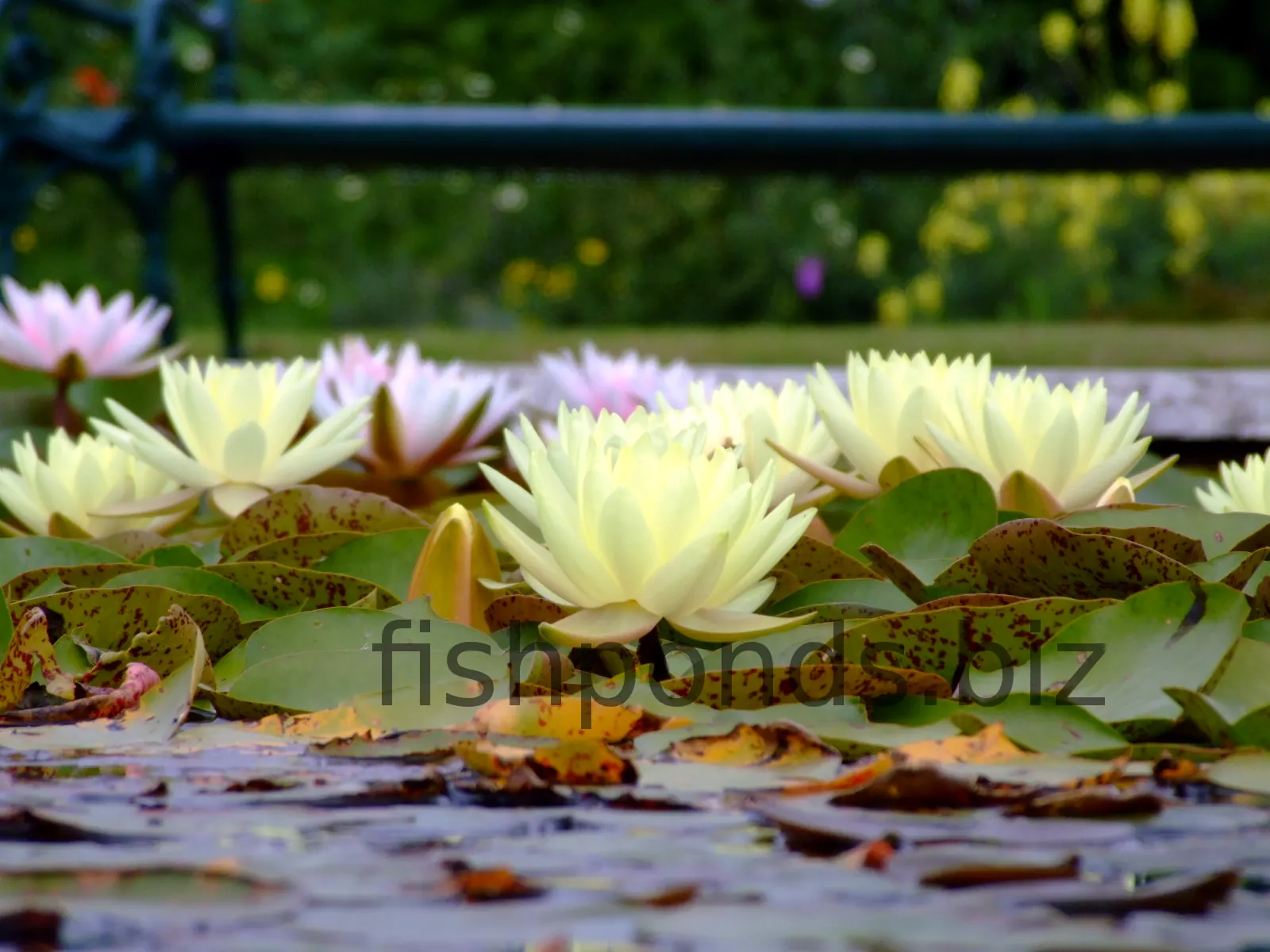
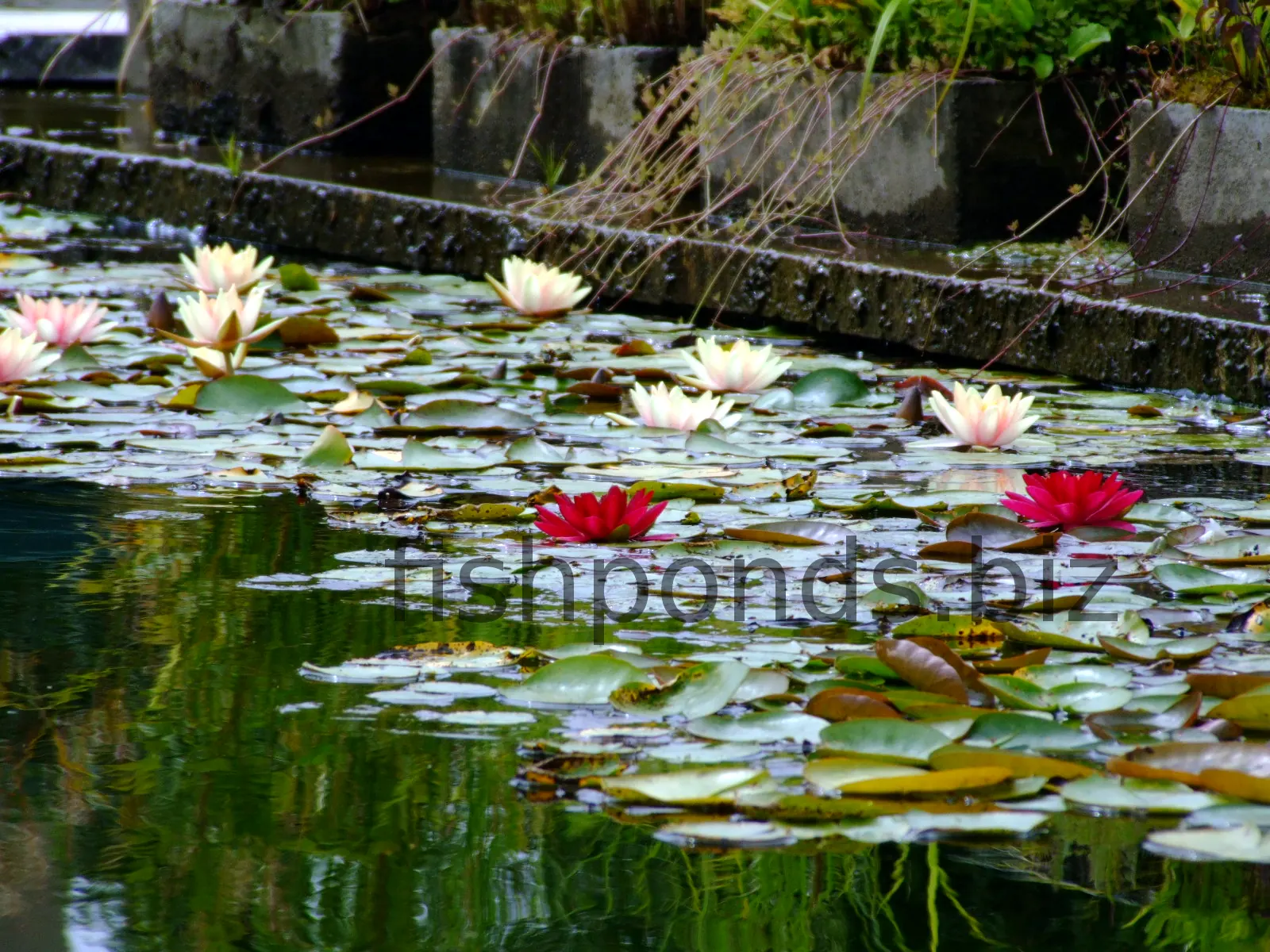
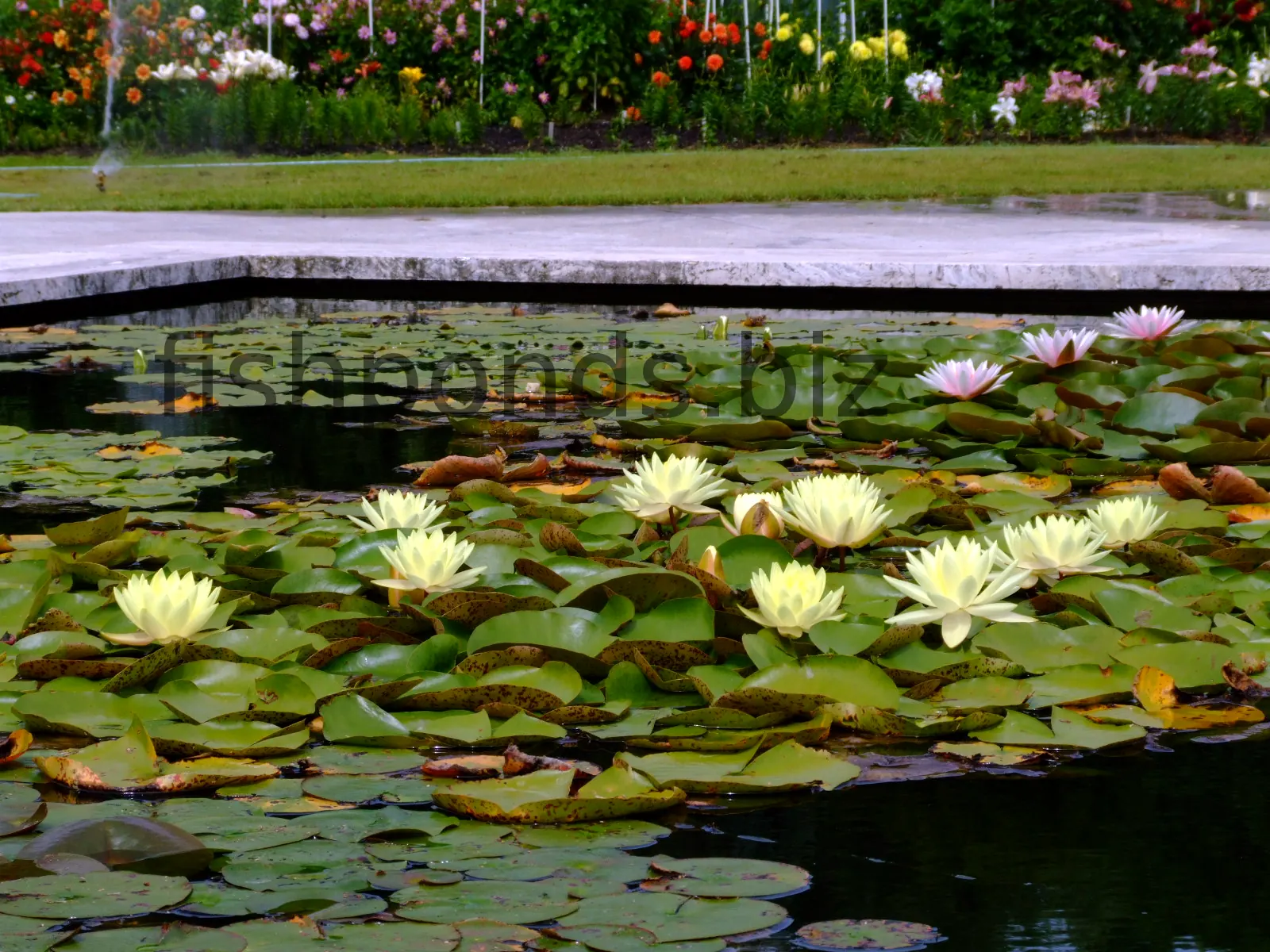
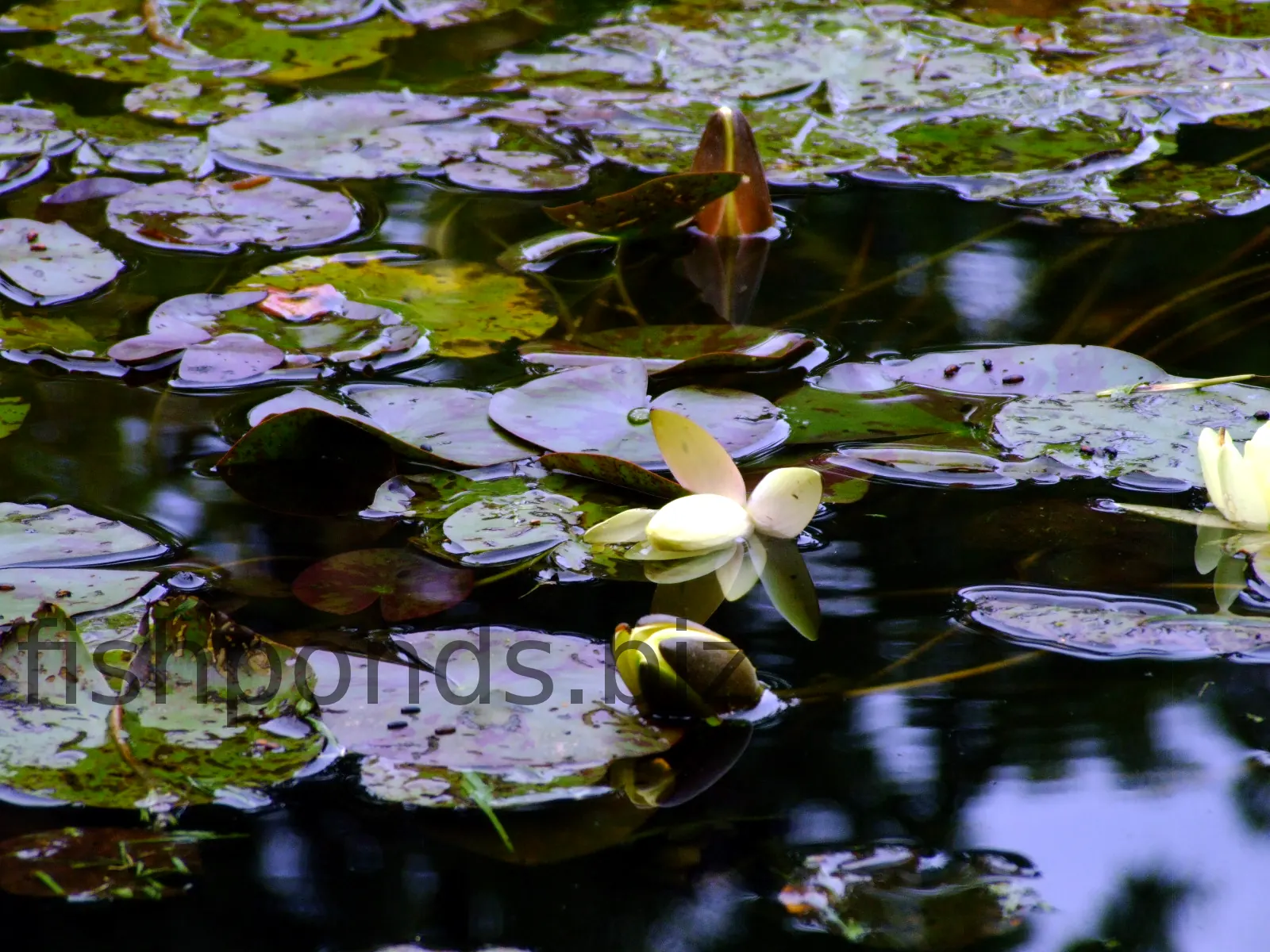
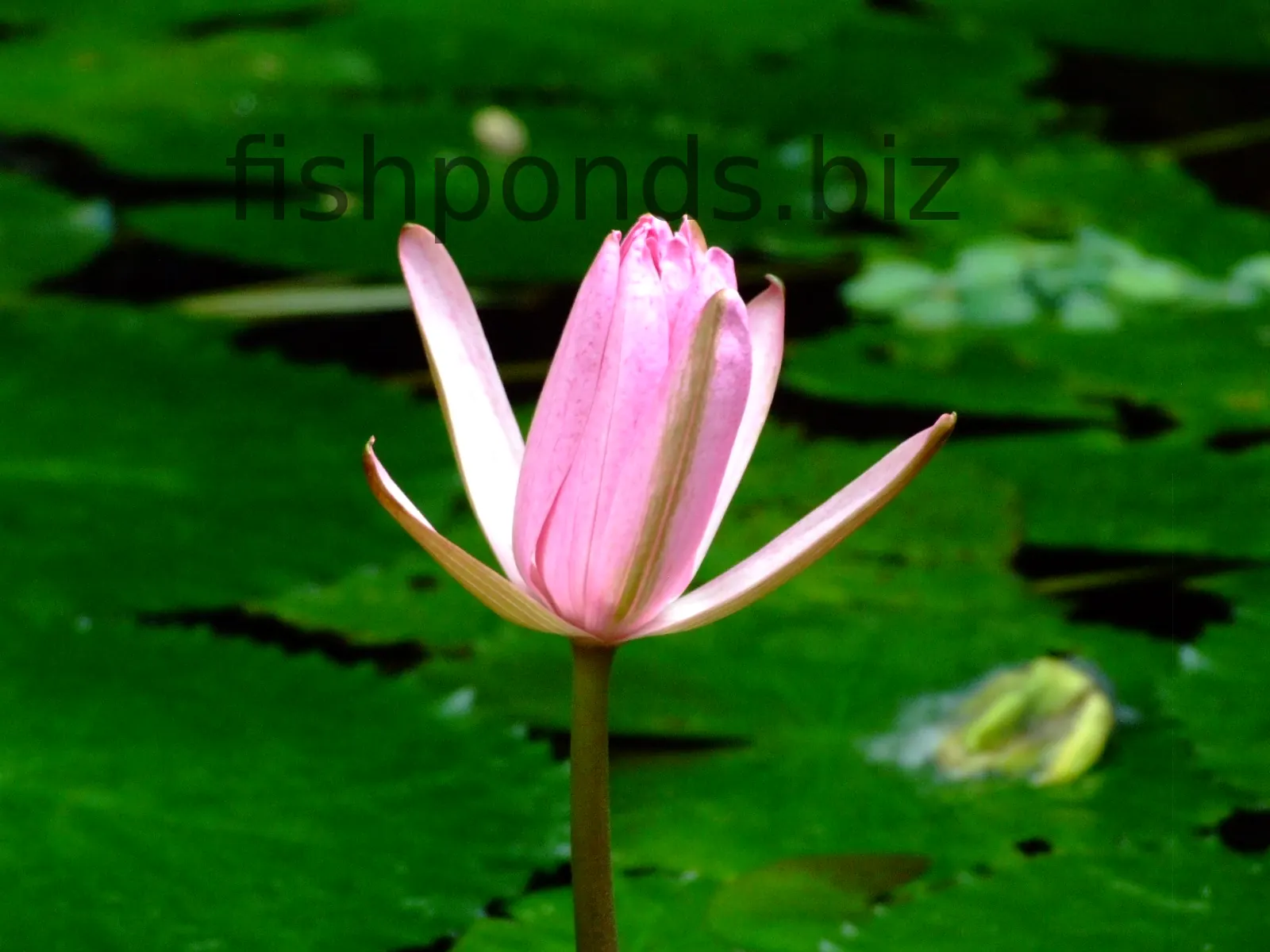
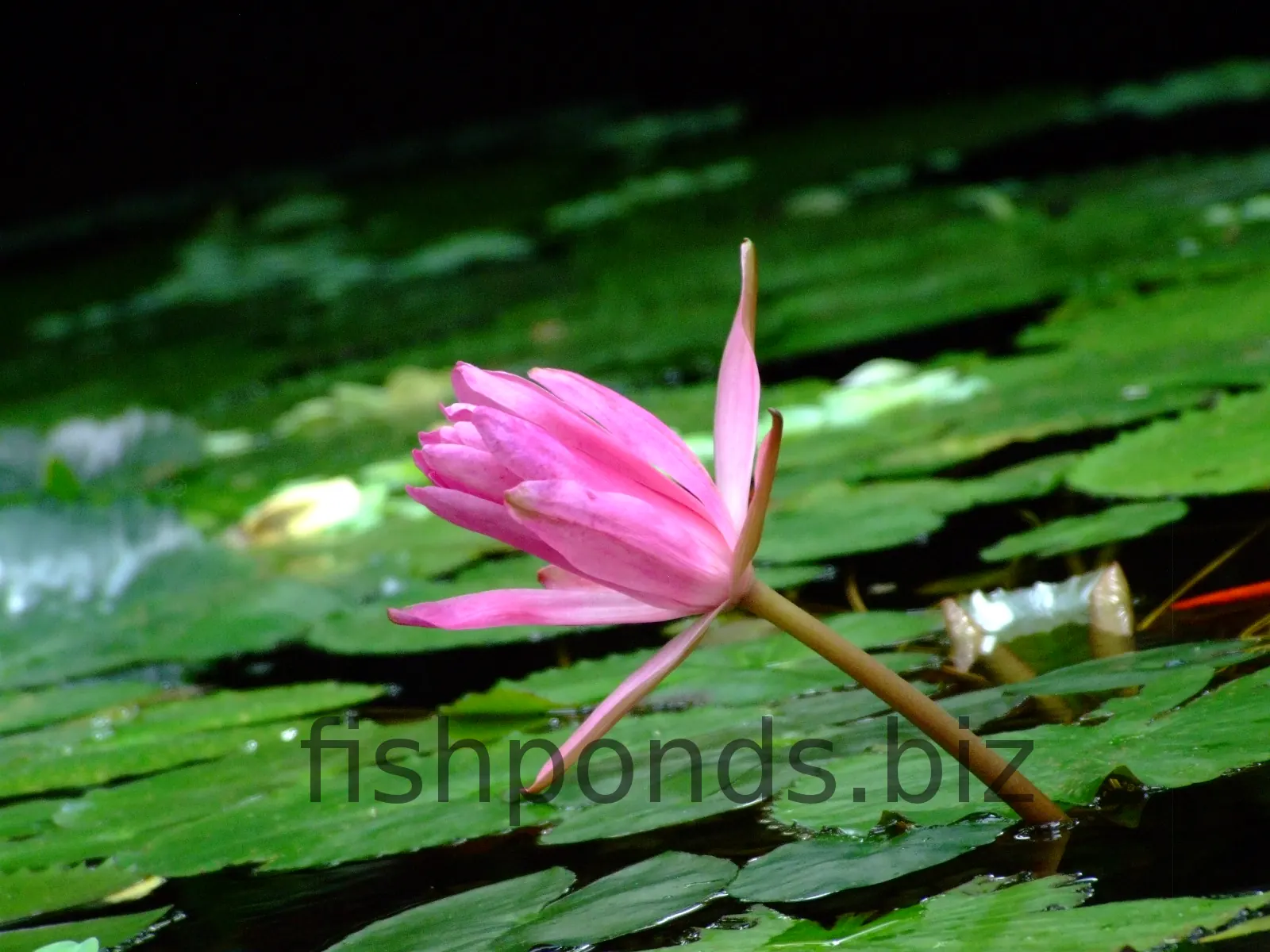
Water lilies combine several useful characteristics: attractive flowers, floating foliage, shade and cover for fish and other pond life.
The important part is choosing a cultivar that matches the size and depth of the pond.
Dwarf and small water lilies can be suitable for compact ponds, while vigorous cultivars may spread across several square metres and are better suited to much larger ponds.
Follow the planting-depth recommendation for the particular cultivar rather than assuming that every water lily belongs at the same depth.
Newly planted lilies can often be positioned relatively shallowly at first and lowered gradually as the leaves grow towards the surface.
How much of the pond surface should plants cover?
There is no percentage that is correct for every fish pond.
Floating leaves provide useful shade, but the pond should also retain substantial open water for circulation, gas exchange and normal fish movement. The appropriate balance depends on pond size, fish load, climate and the species being grown.
If floating leaves or free-floating plants begin covering most of the surface, thin them before they form a dense continuous mat.
Free-floating pond plants
Free-floating plants do not need a basket or conventional rooting substrate. Their roots remain suspended in the water while the foliage floats at or above the surface.
They can take up nutrients rapidly and their roots provide useful shelter for small aquatic organisms and fry.
The disadvantage is that some reproduce extremely quickly and can cover a small pond in a surprisingly short time.
Duckweed is a familiar example. Even a species that is not legally restricted can become a management problem when conditions favour rapid growth.
Check invasive-species rules before buying pond plants
Aquatic plants can escape from gardens into natural waterways, where some species become serious invasive weeds. Legal restrictions differ between countries and can change over time.
This is especially important when using older books, websites or plants exchanged between pond keepers. A species that was routinely sold for water gardens years ago may no longer be appropriate or legal to buy, grow or move in your region.
Never dump unwanted pond plants or plant fragments into a stream, lake, canal or natural pond. Check current local regulations and dispose of unwanted aquatic vegetation responsibly.
What about water lettuce?
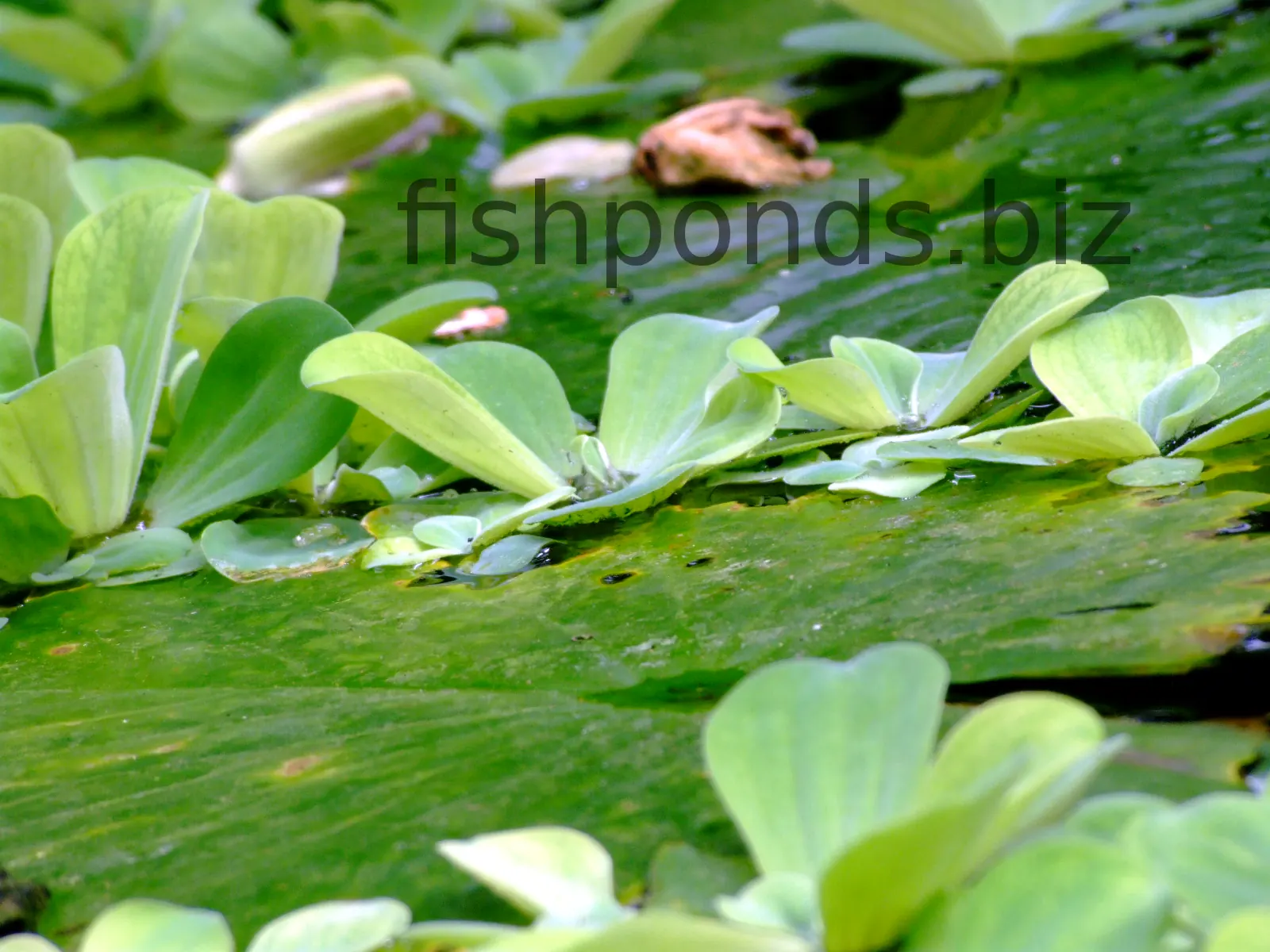
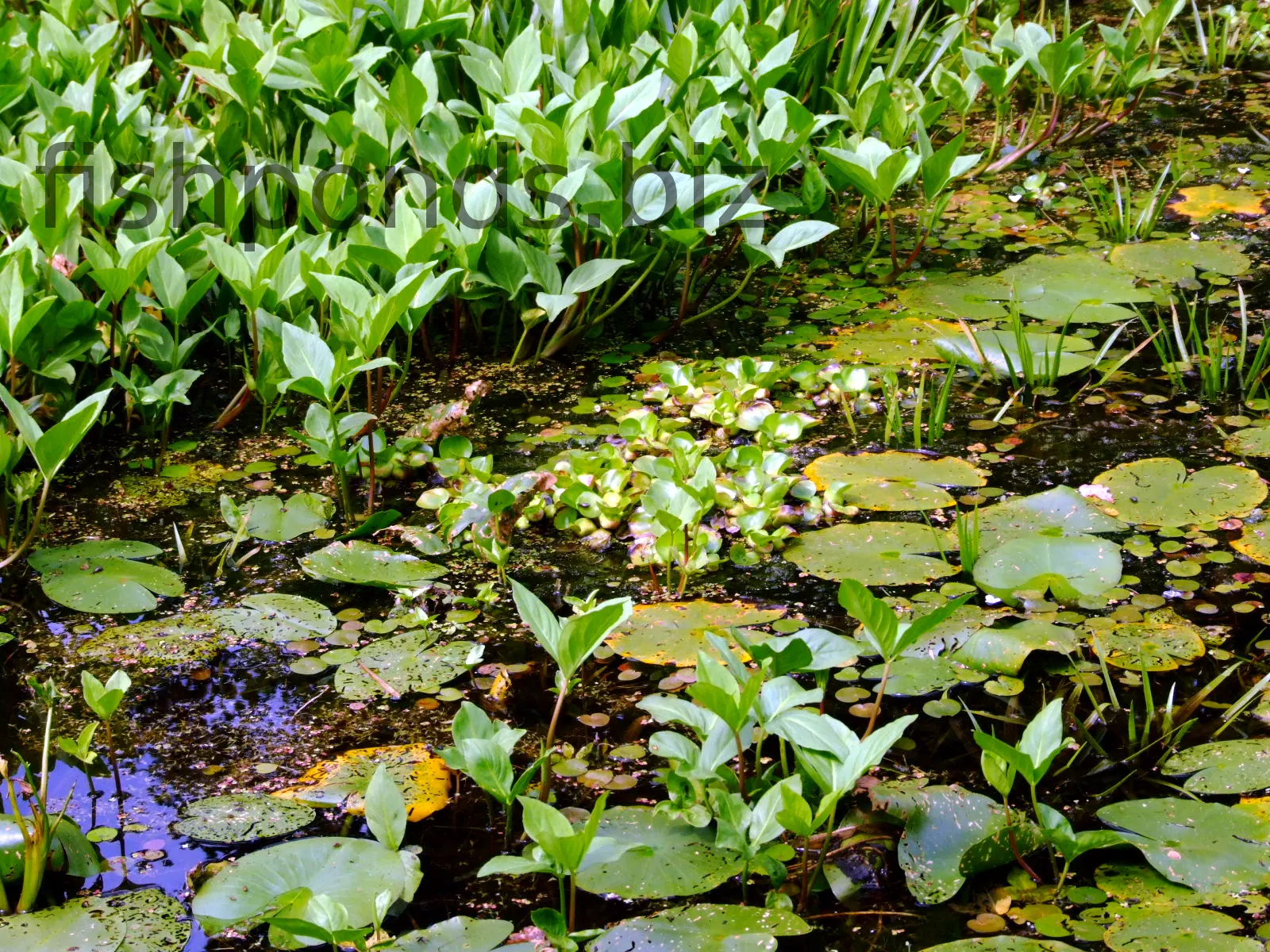
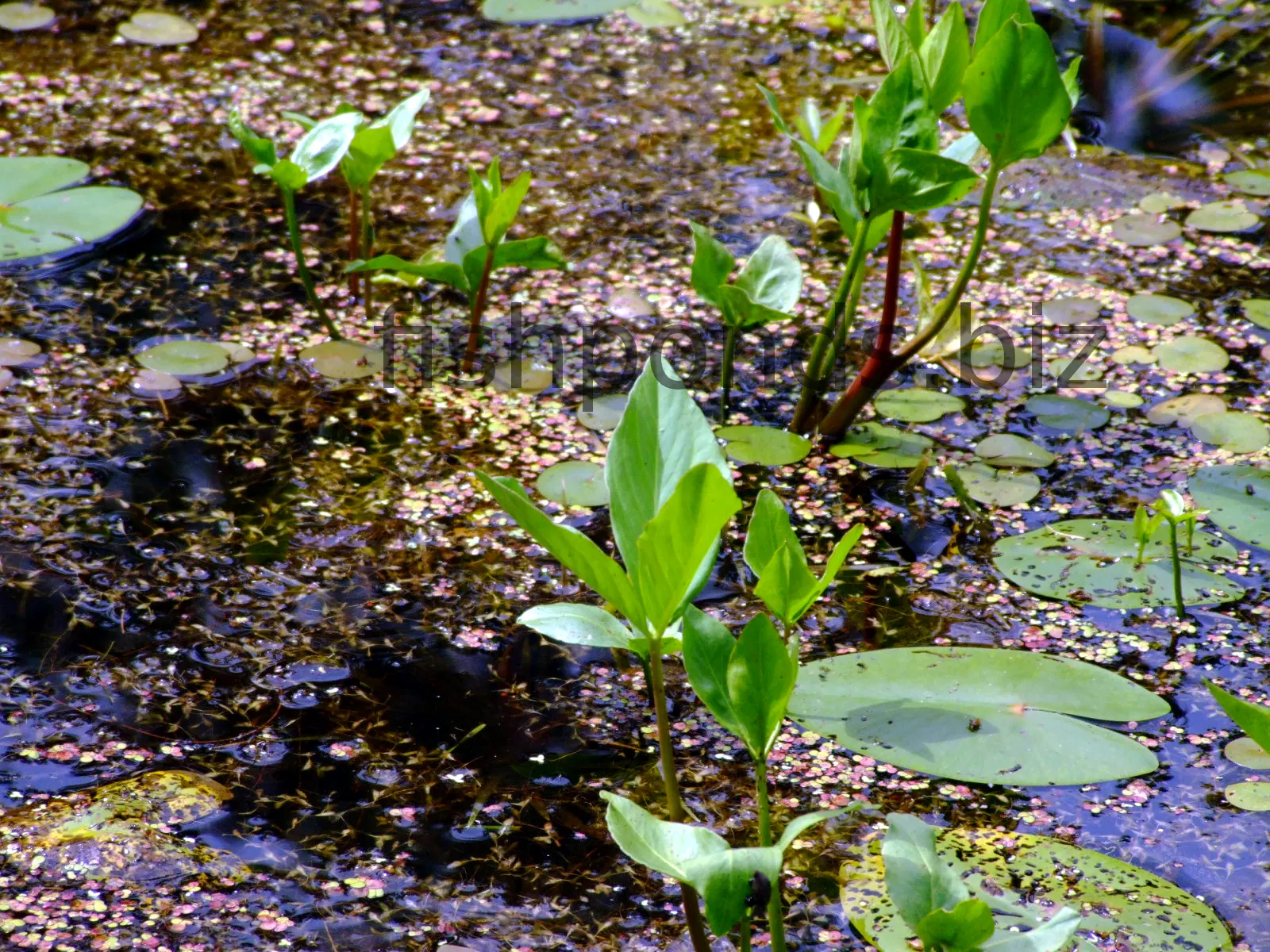
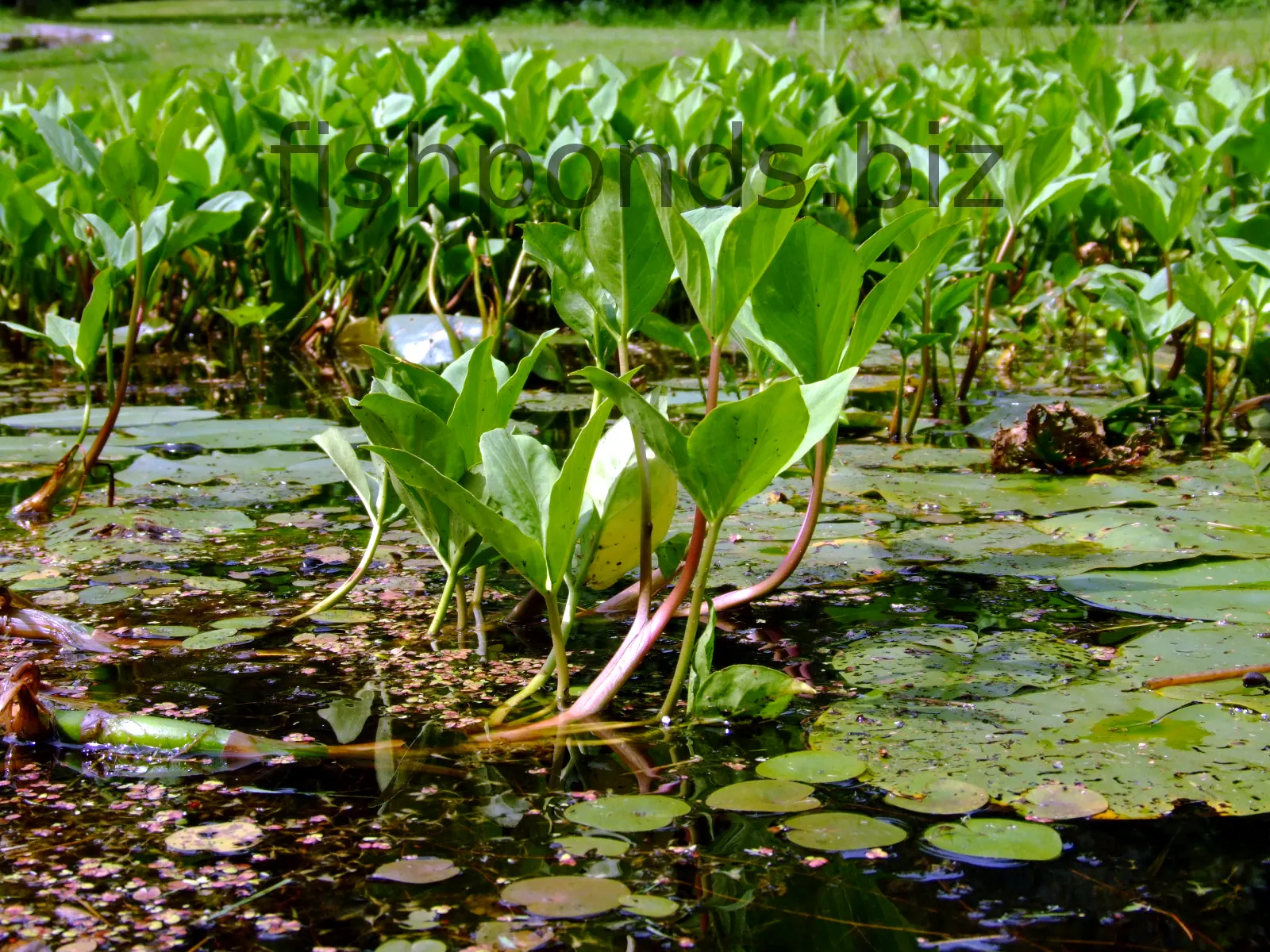
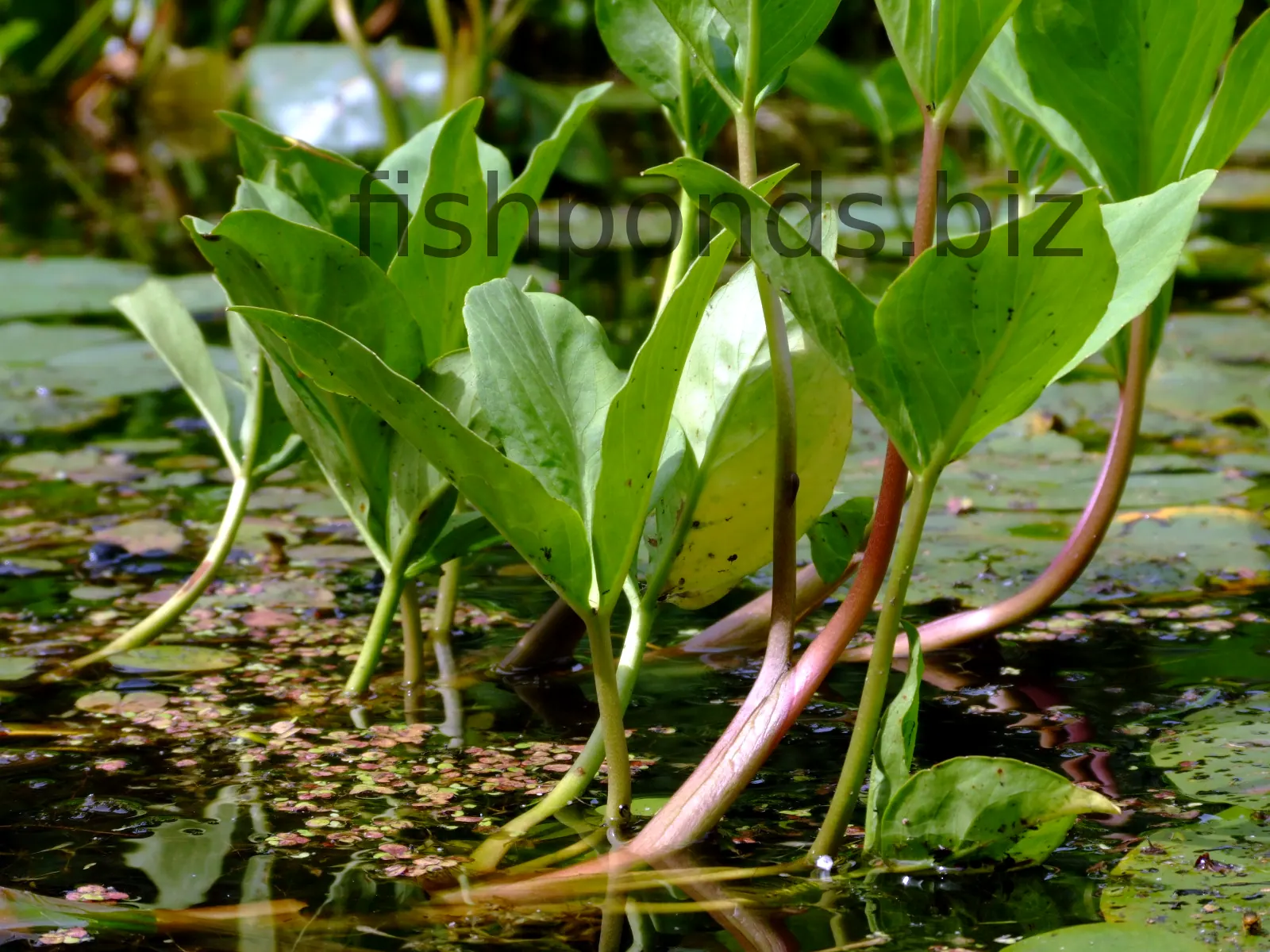
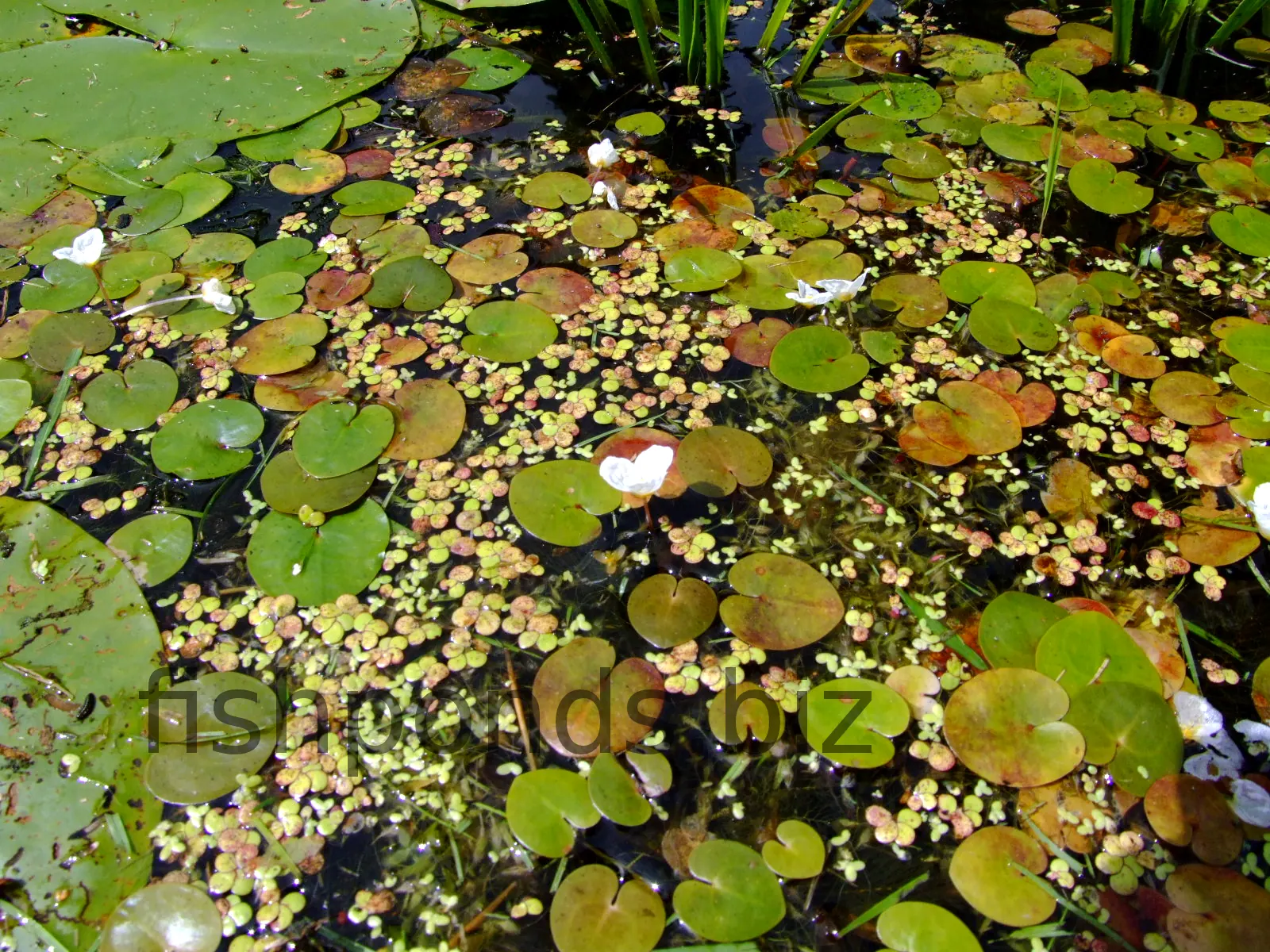
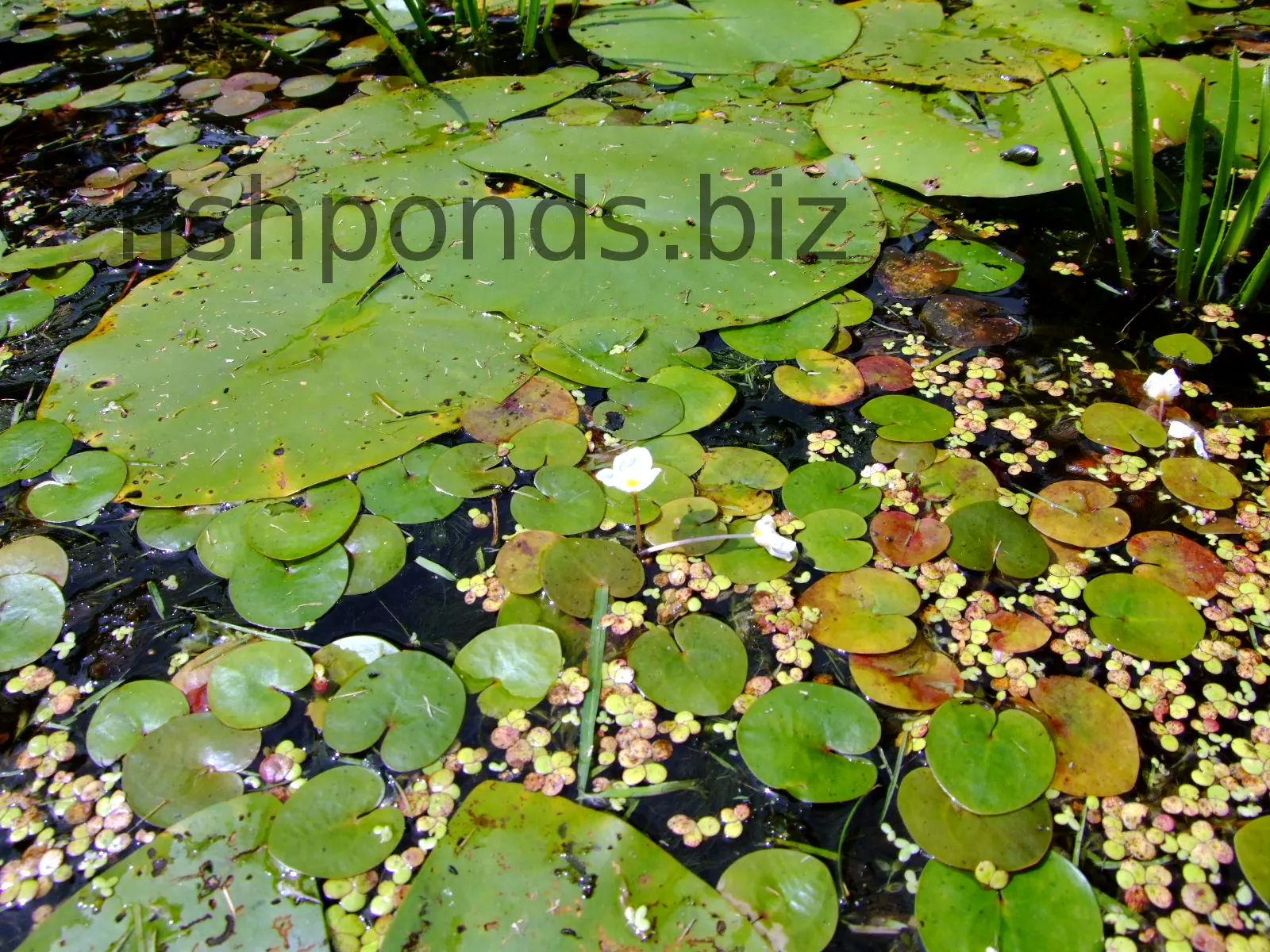
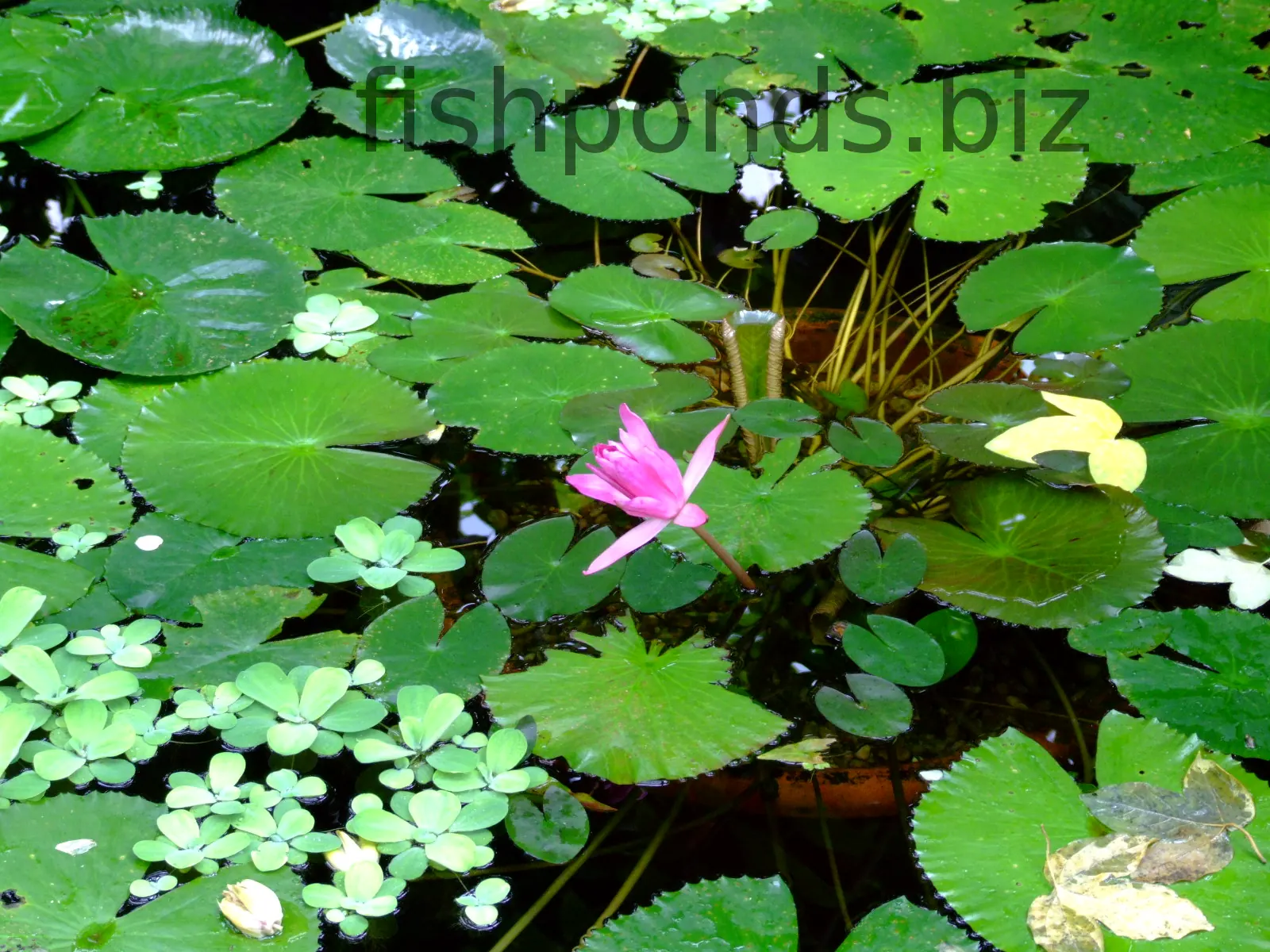
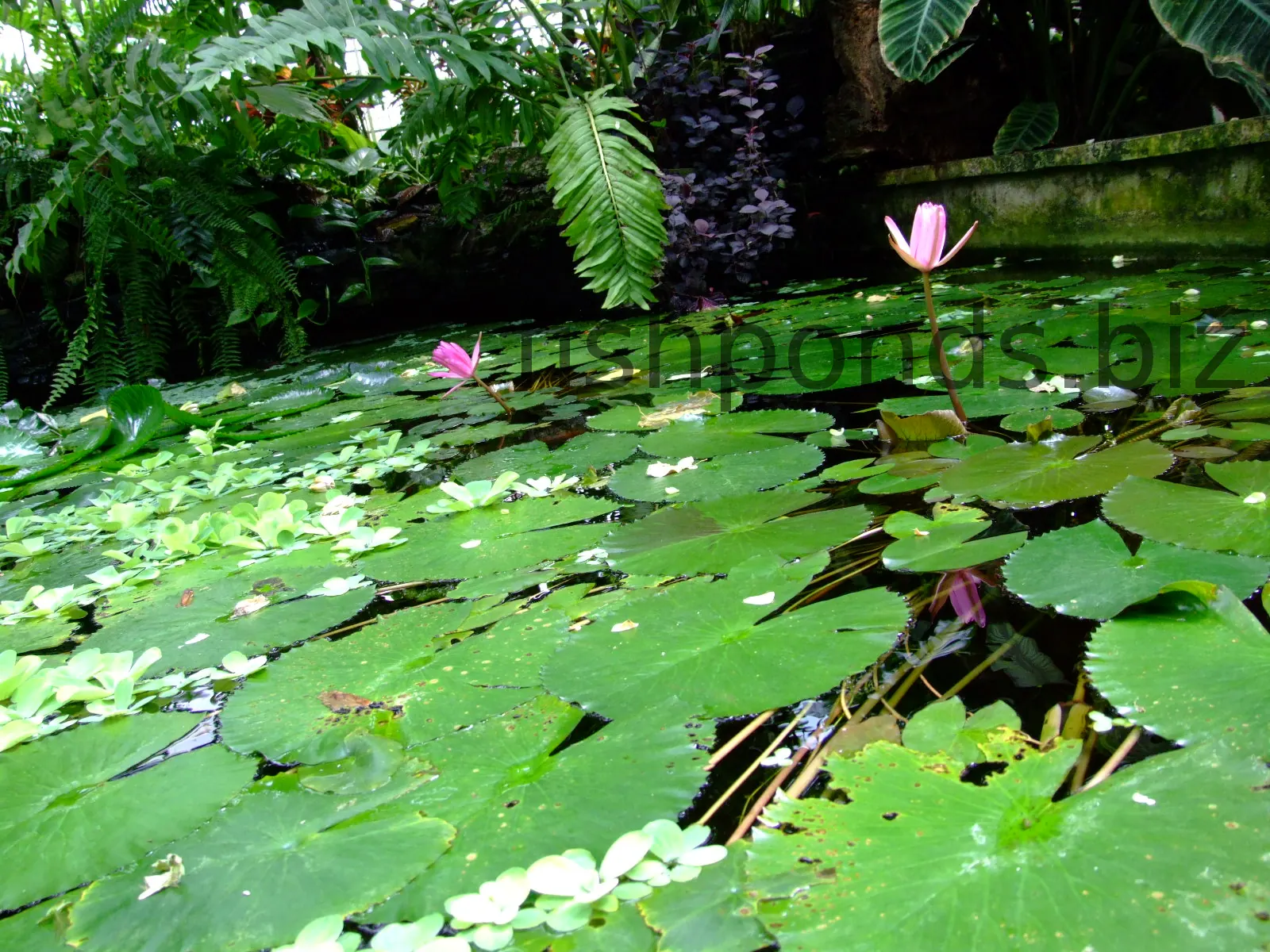
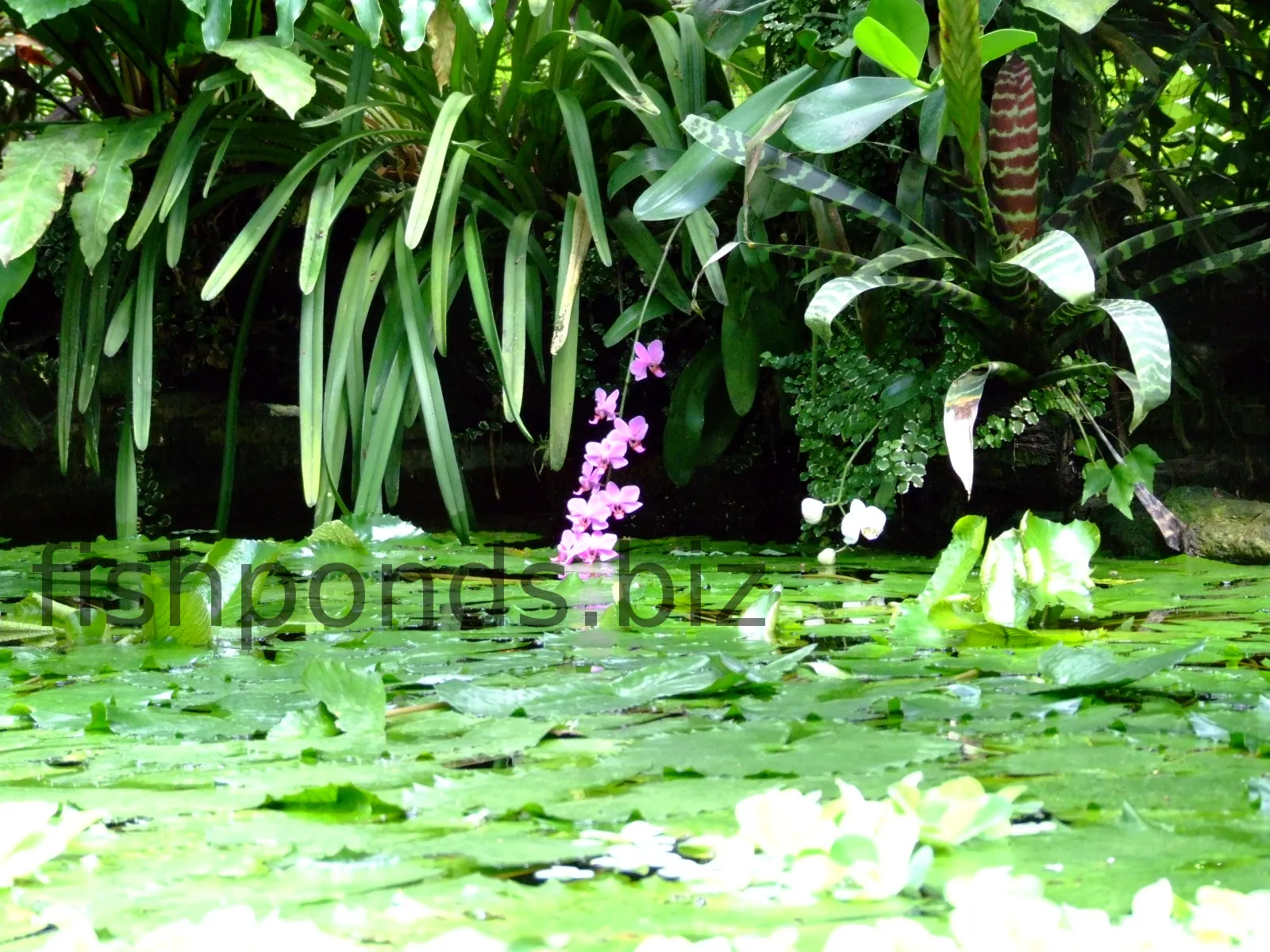
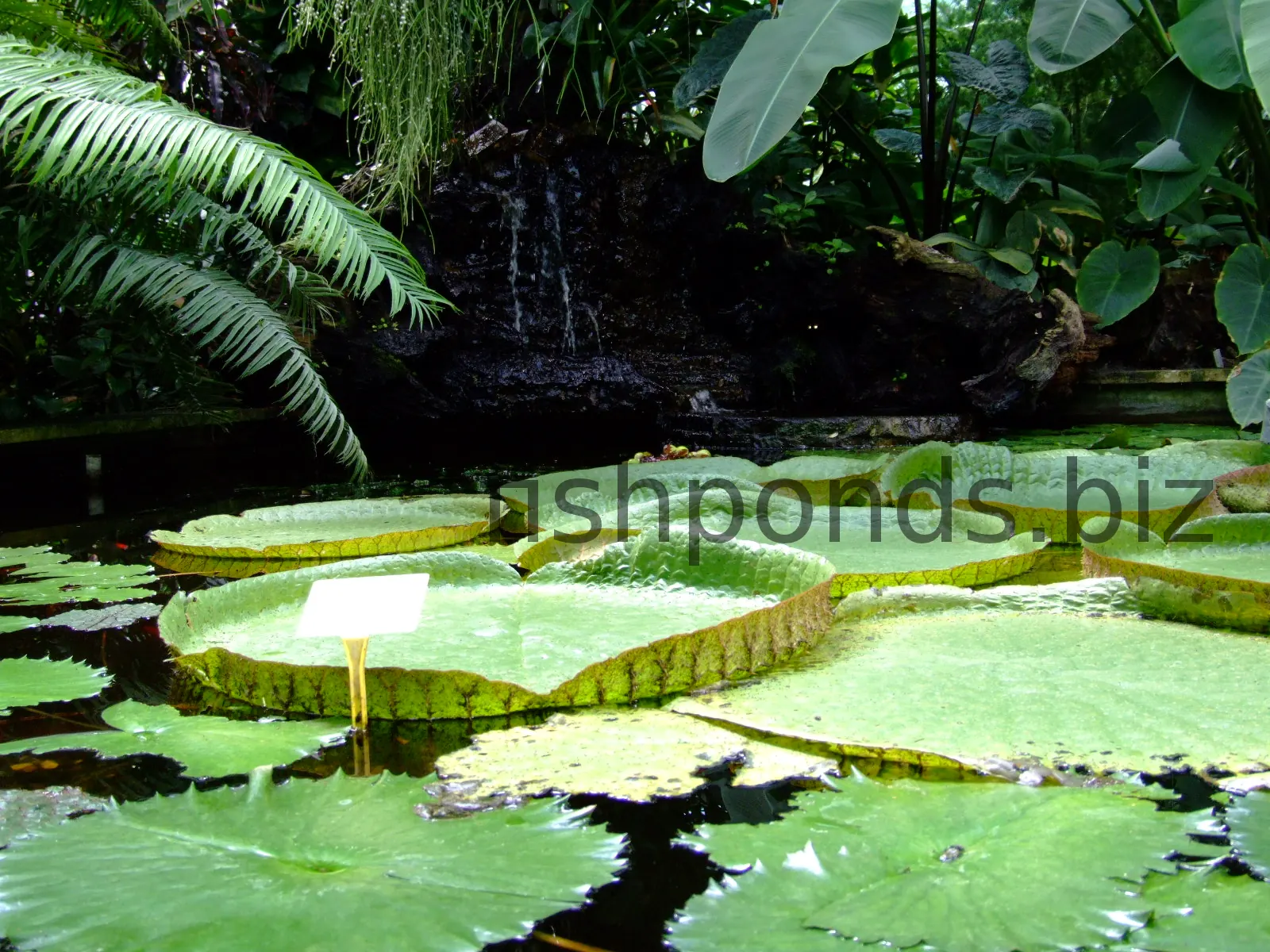
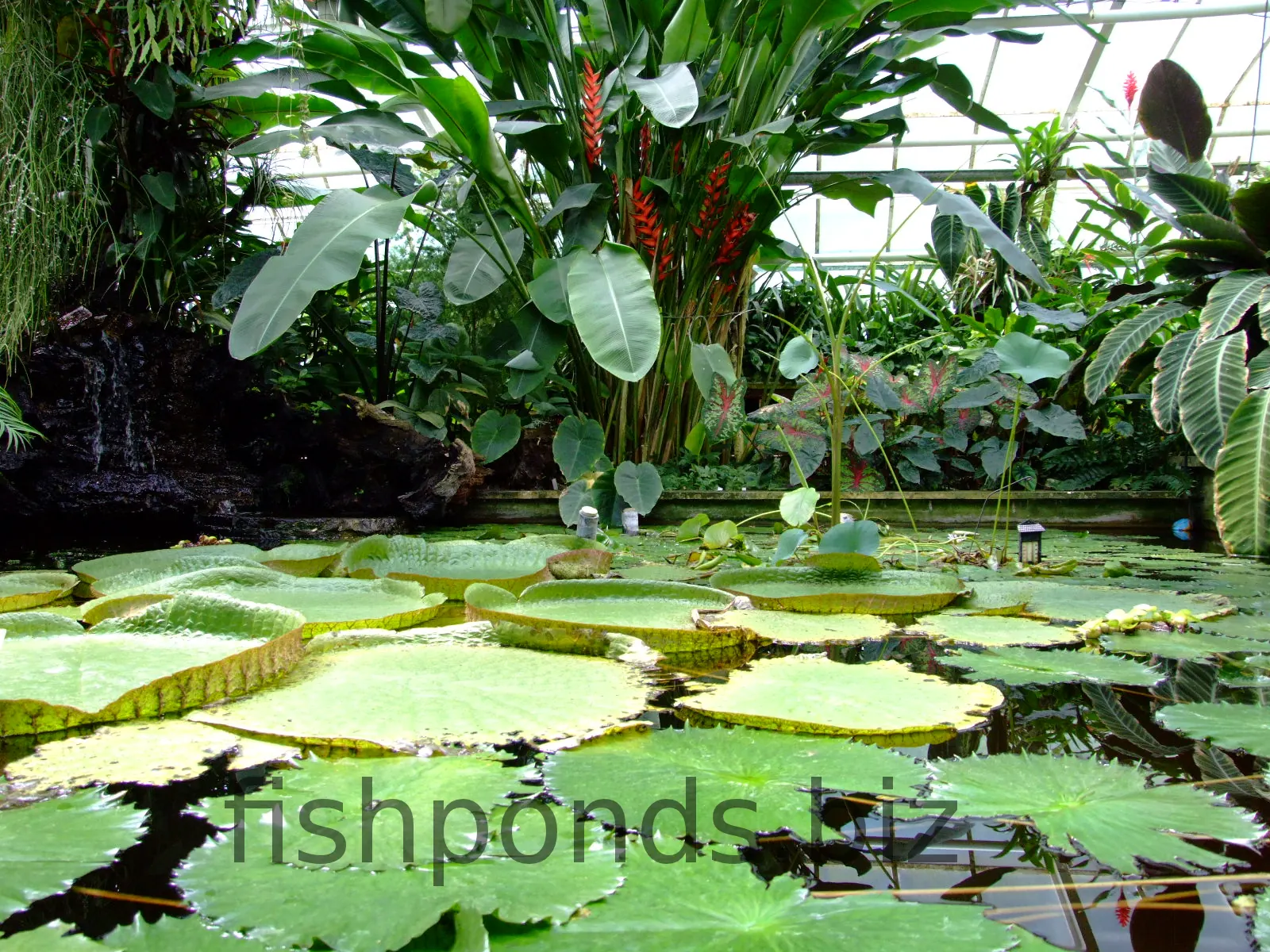
The photographs near the top of this article include Pistia stratiotes, commonly called water lettuce. It has historically been used as an ornamental floating plant.
It should not be interpreted as a universal recommendation. Water lettuce is considered invasive or is legally restricted in some regions, so check the current rules where you live before obtaining or keeping it.
The same principle applies to all aquatic plants: suitability depends not only on how attractive a plant looks in a pond, but also on climate, ecology and local legislation.
Choose plants for the pond you actually have
Before buying a plant, check:
- Its required water depth. Marginals, submerged plants and water lilies occupy very different planting zones.
- Its mature size and spread. A vigorous plant can overwhelm a small pond.
- Its light requirements. Some plants flower best in full sun while others tolerate partial shade.
- Its winter hardiness. A plant suitable for one climate may need winter protection in another.
- Its behaviour around fish. Large koi may uproot, browse or repeatedly disturb plants that survive perfectly well in a goldfish pond.
- Its local legal status. Avoid invasive or restricted aquatic species.
How to plant pond plants
Aquatic baskets make many rooted pond plants easier to manage.
They allow the plant to be positioned at an appropriate depth, make vigorous roots easier to control and allow the plant to be lifted for division, maintenance or repositioning.
For many rooted aquatics:
- choose a basket large enough for the mature plant;
- use a suitable aquatic planting medium;
- position the crown or rhizome correctly for that species;
- firm the plant into the medium;
- add washed gravel or fine shingle over the surface where appropriate;
- lower the basket to the recommended depth.
The gravel layer can help keep the planting medium in place and make it harder for fish to disturb the surface.
What soil should be used for pond plants?
Do not assume that an ordinary lightweight multipurpose potting compost is the best medium for a submerged basket.
Purpose-made aquatic compost or suitable heavy loam is commonly used because it remains more stable under water. The exact requirement varies between plant species.
A layer of washed gravel above the planting medium can help prevent it from being disturbed and released into the pond.
Do pond plants need fertiliser?
Some established pond plants, particularly water lilies growing in containers, can benefit from feeding when growth or flowering is poor.
Use fertiliser intended for aquatic plants and apply it according to the manufacturer's instructions, ideally placing the nutrients into the planting medium rather than releasing a general fertiliser directly into the pond water.
Adding unnecessary nutrients to the whole water column can encourage unwanted plant or algal growth rather than solve a plant problem.
Can pond plants improve water quality?
Growing plants absorb nutrients as they build new tissue, so they participate in nutrient cycling within the pond.
That does not mean that adding plants automatically corrects poor water quality. A heavily stocked fish pond can still develop ammonia, nitrite or oxygen problems even when it contains abundant vegetation.
Likewise, plants do not make filtration unnecessary. Mechanical and biological filtration have different jobs from aquatic vegetation.
See our fish pond water quality guide and fish pond filter guide for more information.
Can pond plants prevent algae?
Plants can influence algae by competing for nutrients and by reducing light where leaves shade the surface.
However, a planted pond is not guaranteed to be algae-free. Algae are a normal part of aquatic ecosystems, and excessive growth depends on a combination of light, nutrients, temperature and other pond conditions.
If algae become a persistent problem, investigate the cause rather than simply adding more plants and expecting them to solve it automatically.
Best pond plants for goldfish
Goldfish generally coexist well with a wide range of established pond plants. They may investigate or nibble vegetation, but they are usually much easier to combine with planting than large koi.
Rather than searching for one special "goldfish plant", choose a mixture that provides:
- some surface shade;
- cover around the margins;
- submerged habitat;
- open swimming space.
Avoid allowing any rapidly spreading plant to take over the entire pond simply because the fish appear to enjoy the cover.
Plants for koi ponds
Koi and plants can be kept together, but larger koi can make planting more challenging.
They investigate the bottom, disturb loose substrate and may uproot or damage soft vegetation. Plant baskets therefore need to be stable, and exposed soil may need protection with washed gravel or stones that cannot be swallowed.
Some koi keepers use protected planting shelves or separate planted zones so that roots and young shoots are not constantly disturbed.
A koi pond does not need to contain plants to be successful. In a heavily stocked system, good filtration, circulation, oxygenation and water quality are more important than forcing vegetation into a design where it cannot thrive.
Do fish need plants in a pond?
Fish can benefit from the shelter, shade and habitat created by aquatic plants, but plants are not an absolute requirement for every ornamental fish pond.
Many dedicated koi ponds contain little or no vegetation and instead rely on carefully designed filtration and circulation.
At the opposite extreme, a lightly stocked natural-style pond may use planting as one of its dominant structural features.
Both approaches can work when the pond is managed appropriately.
Seasonal care of pond plants
Aquatic plants change substantially through the year in temperate climates.
Restart growth
Remove dead material, divide overcrowded plants where necessary and reposition baskets as new growth appears.
Control vigorous growth
Thin plants that are taking over excessive surface area and remove damaged or dying leaves.
Remove dying vegetation
Trim dead foliage before large amounts of plant material sink and decompose in the pond.
Respect dormancy
Hardy plants may die back naturally. Protect tender species only where their individual requirements and climate make this necessary.
Common fish pond plant mistakes
- Choosing plants before checking the planting depth. Aquatic species occupy different zones and may fail if placed too deep or too shallow.
- Buying a vigorous plant for a tiny pond. Always check mature spread, not just the size of the plant in the shop.
- Allowing vegetation to cover nearly all of the surface. Fish still need open swimming space and the pond needs effective circulation and gas exchange.
- Assuming plants replace filtration or aeration. They are useful biological components, not substitutes for essential equipment in a heavily stocked pond.
- Adding ordinary fertiliser directly to pond water. Feed plants only when necessary and use products and methods intended for aquatic planting.
- Ignoring dead vegetation. Large amounts of decomposing plant material consume oxygen and add nutrients back into the pond.
- Planting delicate vegetation where large koi can repeatedly uproot it. Protect planting zones or choose a design better suited to the fish.
- Buying plants from an old species list without checking current regulations. Aquatic invasive-species rules change and differ between regions.
- Dumping unwanted pond plants into the wild. Plant fragments can spread into natural waterways. Dispose of aquatic vegetation responsibly.
Fish pond plant FAQs
What are the best plants for a fish pond?
The best choice is usually a mixture of plants suited to different zones of the pond rather than one particular species. Marginal, submerged and floating-leaved plants can all provide different benefits.
What types of pond plants are there?
The main practical groups are marginal plants, submerged plants, rooted floating-leaved plants and free-floating plants. Bog plants grow in wet soil beside the pond rather than permanently submerged in open water.
Are pond plants good for fish?
They can provide shade, shelter, spawning habitat and additional habitat for small aquatic organisms. Their value depends on the species, amount of vegetation and type of pond.
Do pond plants oxygenate the water?
Aquatic plants produce oxygen while photosynthesising in daylight, but they also respire and consume oxygen, especially noticeable at night. They should not replace aeration where a stocked pond requires it.
Can pond plants replace a filter?
No. Plants take up nutrients while growing, but they do not provide the same predictable mechanical and biological filtration required by many stocked fish ponds.
What soil should I use for pond plants?
Many rooted aquatic plants are grown in purpose-made aquatic compost or suitable heavy loam, often in an aquatic basket with washed gravel over the surface. Follow the requirements of the individual plant.
How many plants should I put in a fish pond?
There is no universal number. Choose plants according to their mature size and leave substantial open water for fish, circulation and maintenance.
Are plants suitable for a koi pond?
Yes, but large koi can uproot or damage vegetation. Secure baskets, protected planting zones or a partially separated planted area can make the combination easier to manage.
Should dead pond plants be removed?
Excess dead foliage should generally be removed before large amounts sink and decompose. Some natural organic material is normal, but heavy accumulation increases the oxygen demand and nutrient load.
Can pond plants stop algae growing?
Plants can compete for nutrients and shade the water, but they do not guarantee an algae-free pond. Persistent excessive algae should be investigated as part of the pond's overall nutrient, light and water-quality balance.